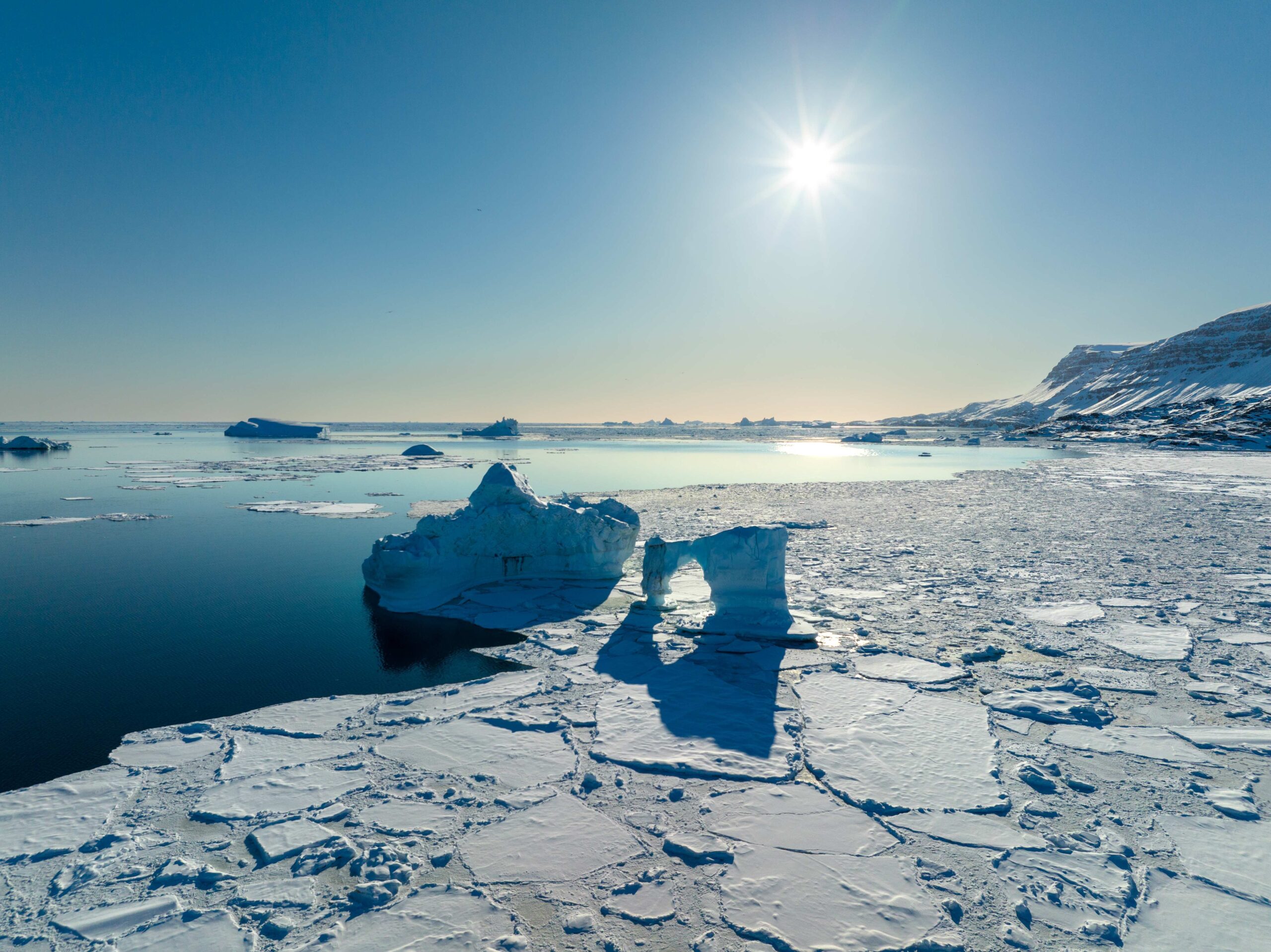
In the high Arctic, where the midnight sun typically extends throughout the entire day, the sky will briefly go dark this summer. On August 12, 2026, a total solar eclipse will sweep across eastern Greenland.
The moon will cast a narrow corridor of shadow crossing one of the most remote landscapes on Earth. For a few fleeting minutes, the midnight sun will collapse into twilight, revealing the Sun’s corona in a halo of white fire. For photographers, it is one of the most challenging and rewarding subjects imaginable. This is your guide to capturing it.
-
Understanding the Sequence
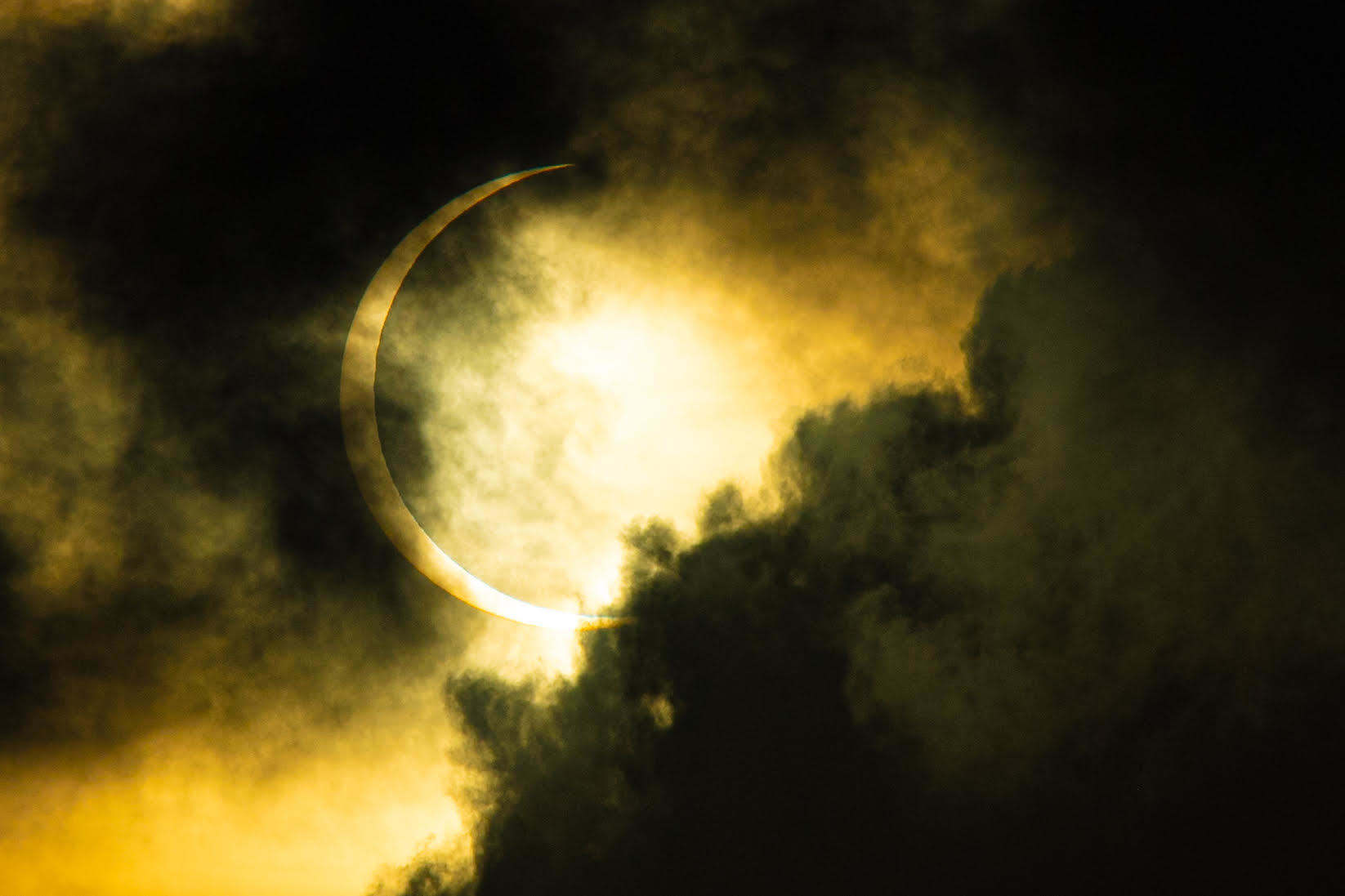
A total solar eclipse is not a single moment, but a progression. The partial phase builds slowly, with the Moon taking small, incremental bites out of the Sun. At first, it’s subtle. Then the quality of light begins to shift. Shadows sharpen, contrast increases, and the environment takes on a surreal clarity.
As totality approaches, the change accelerates. The temperature drops. The horizon begins to glow. And then, suddenly, the Sun is gone. In Greenland, totality will last just over two minutes, depending on your position. It is a narrow window, long enough to work, but short enough that preparation is everything.
-
Gear: What Matters Most
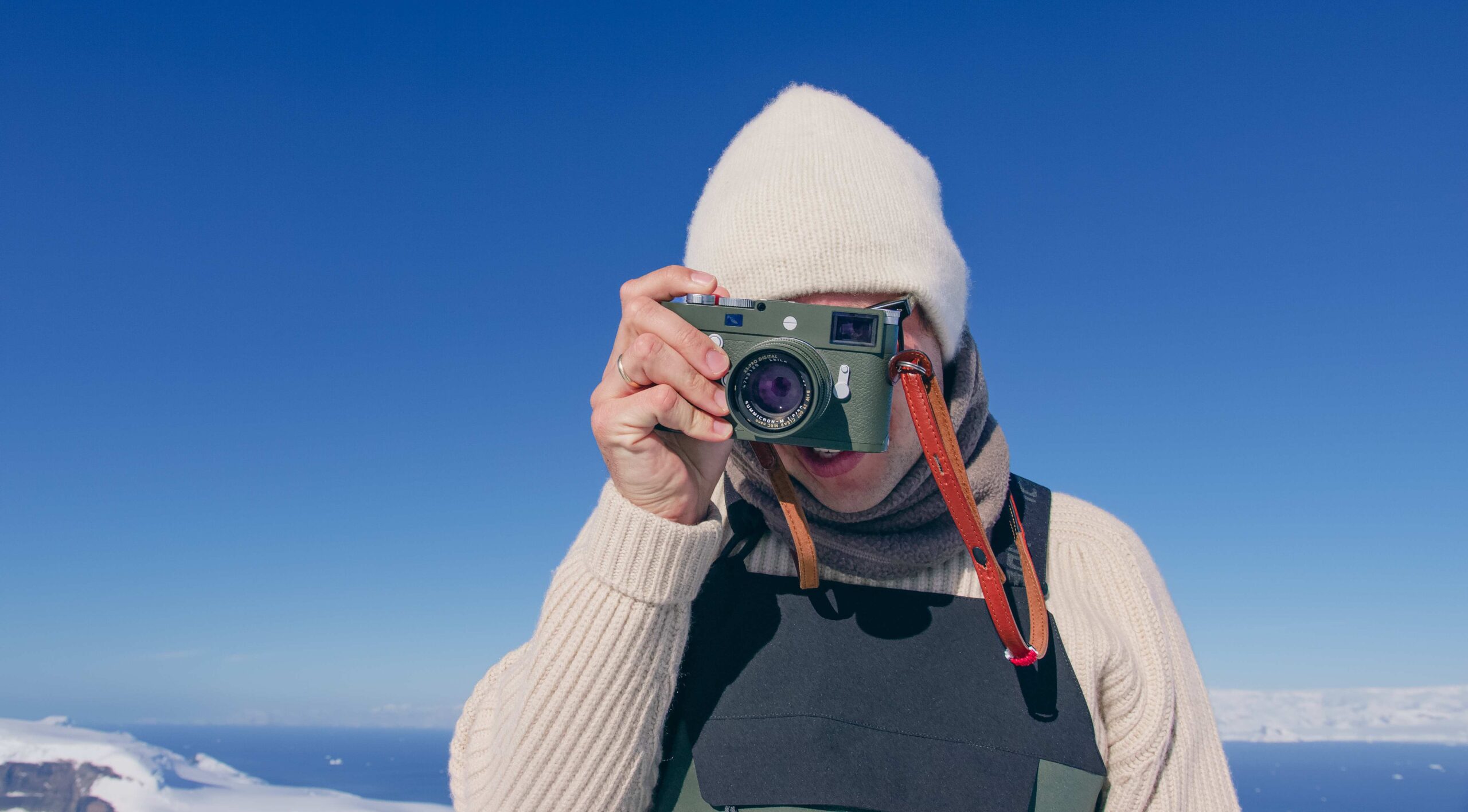
With such a limited window of opportunity, eclipse photography doesn’t reward excess. A streamlined kit, used confidently, is far more valuable than an elaborate setup you’re still figuring out in the moment. A reliable setup might include:
- A DSLR or mirrorless camera with strong dynamic range
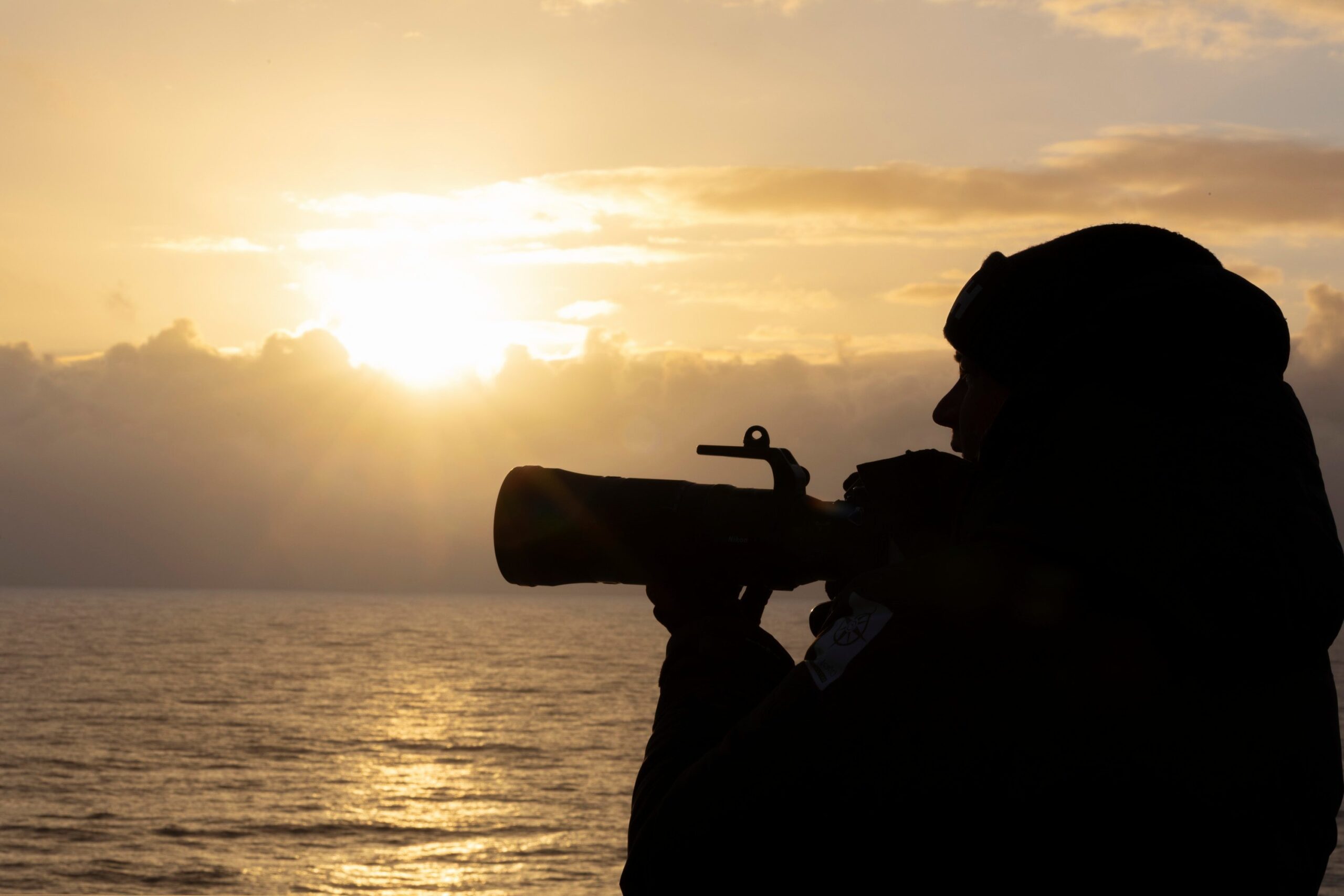
- A telephoto lens (200–600mm) to capture the corona and solar detail
- A wide-angle lens (16–35mm) for environmental compositions
- A sturdy tripod for stability as light levels drop
- A remote shutter or interval timer to minimize movement
And critically:
- A certified solar filter for all partial phases
Without proper filtration, both your eyes and your sensor are at risk. It’s the one piece of equipment that is not optional.
-
Shooting the Eclipse
Each phase of the eclipse requires a slightly different approach. Knowing how your settings will shift and practicing in advance can make the difference between reacting and working with intention.
During the partial phase:
- Keep your solar filter on at all times
- Work at low ISO (100–200) to preserve detail
- Use fast shutter speeds (often 1/1000 or higher)
- Periodically reframe to track the Sun’s movement
As the light changes, it’s worth occasionally pulling back to capture the landscape, where the effects become increasingly visible. During totality:
This is the critical window. The solar filter comes off, and the dynamic range of the scene expands dramatically.
- Remove your solar filter immediately as totality begins
- Bracket exposures (for example: 1/1000 to 1 second) to capture the full range of the corona
- Use your tripod (handheld shooting becomes unreliable in low light)
- Take a few frames, then adjust, but avoid over-fiddling
Just before and after totality, the “diamond ring” effect appears—a brief, brilliant burst of light as the Sun re-emerges. It’s one of the most iconic moments, and one of the easiest to miss if you’re not ready.
-
Framing the Arctic Landscape
The path of totality for the 2026 solar eclipse crosses some of the most remote terrain on the planet, with very few accessible vantage points. To witness it in Greenland is to experience a rare alignment of place and phenomenon, defined as much by its setting as by the sky above.
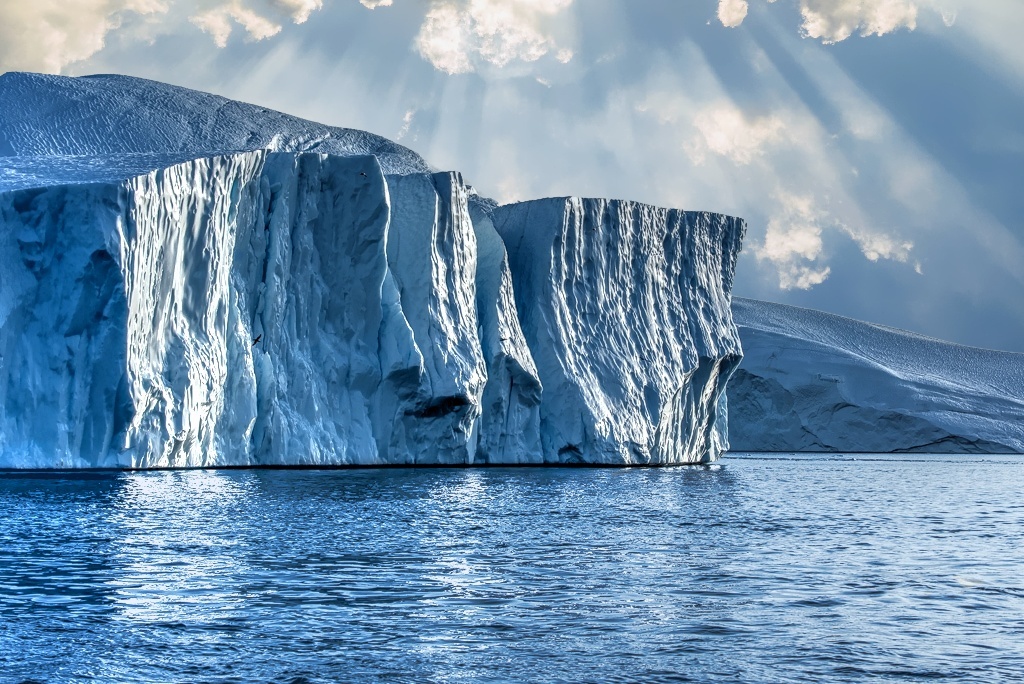
Eastern Greenland offers no fixed viewpoints. Instead, the landscape is constantly in motion—icebergs drifting through fjords, glaciers calving in the distance, mountains rising sharply from the sea. This creates an opportunity to think beyond the Sun itself and photograph the relationship between the eclipse and the environment.
A wide frame can anchor the event within the landscape, placing the eclipsed Sun above a field of ice or reflecting in still water. A longer lens allows for compression, aligning the corona with distant peaks or sculptural ice forms. The strongest images often come from this interplay between scale and context.
From an expedition vessel, even small shifts in position can dramatically alter a composition—whether to avoid cloud cover or to refine the foreground.