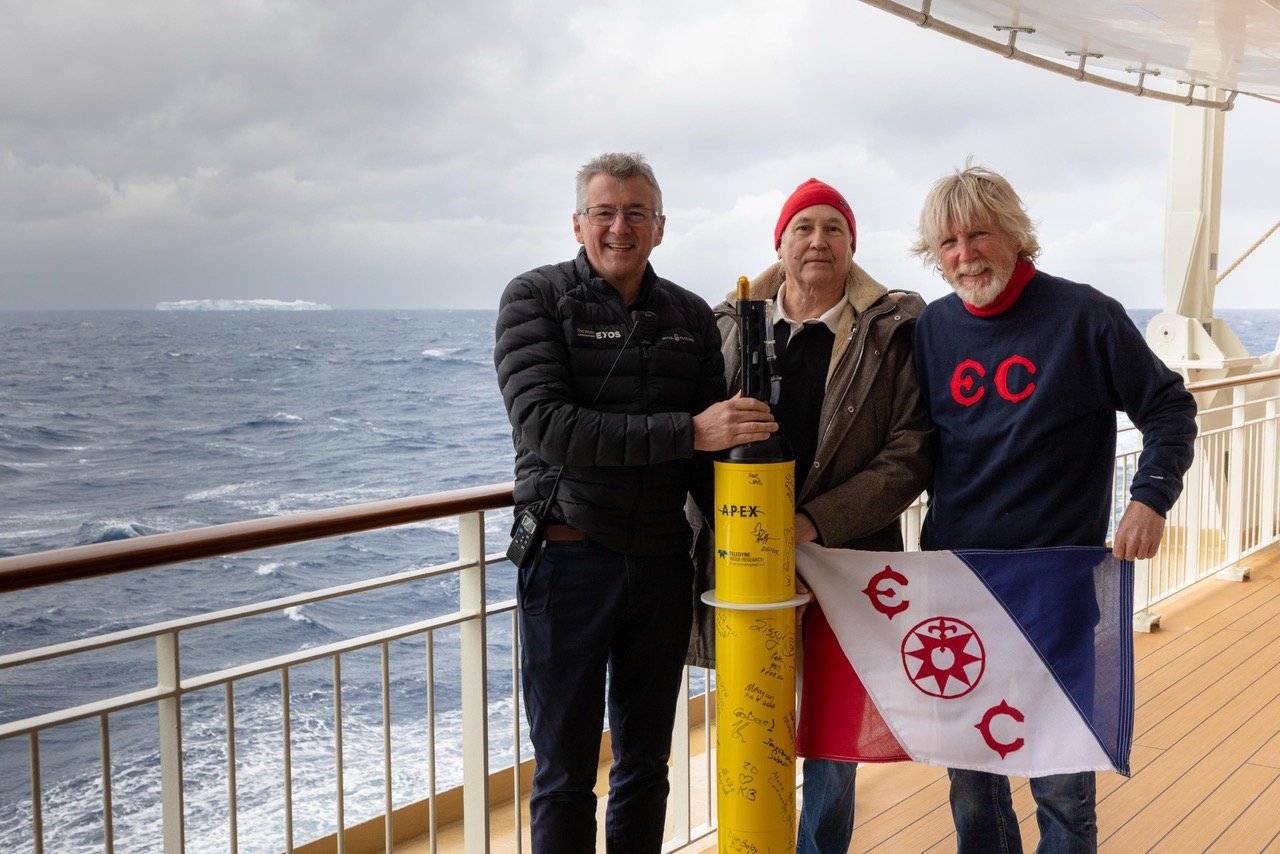
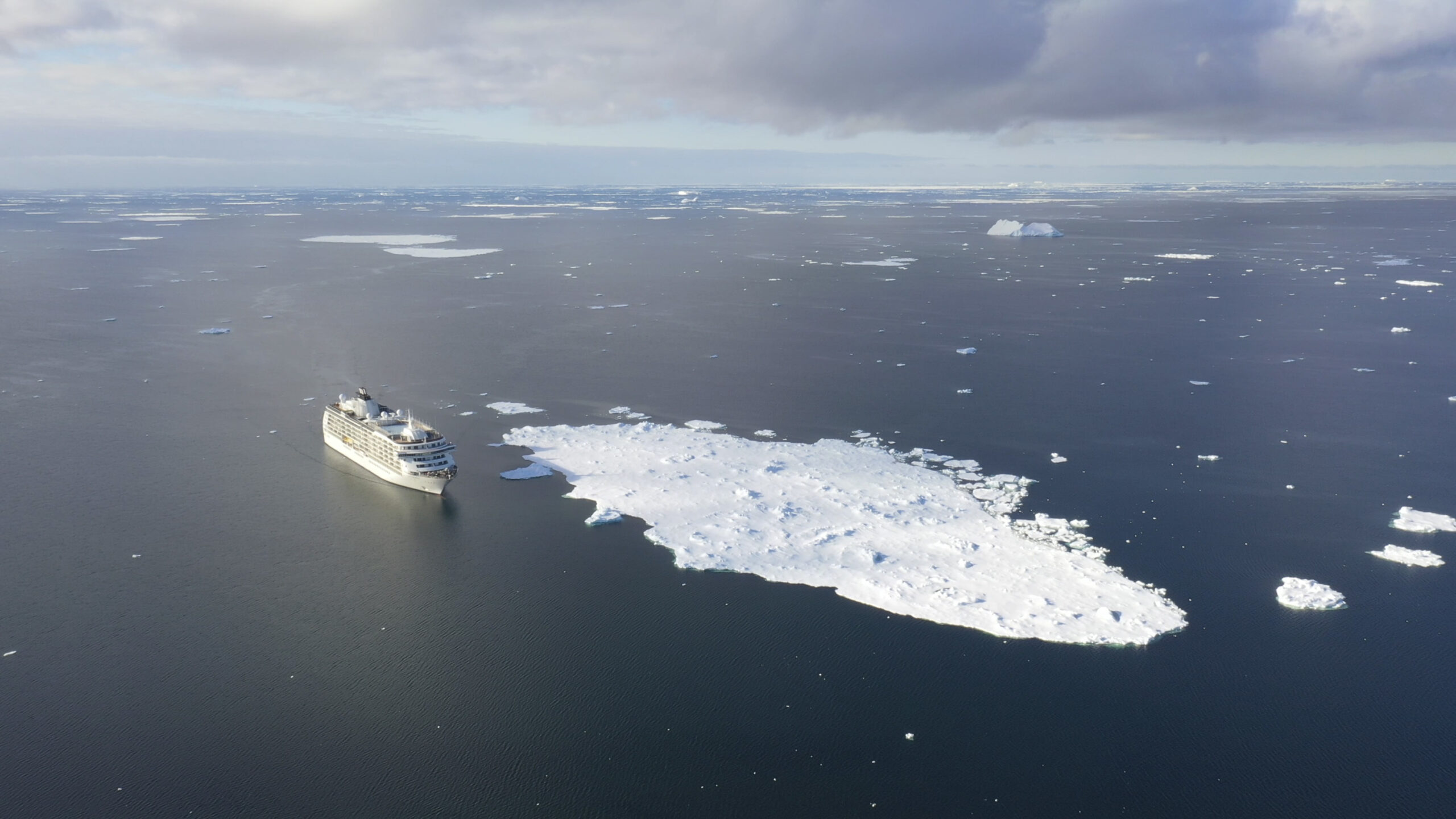
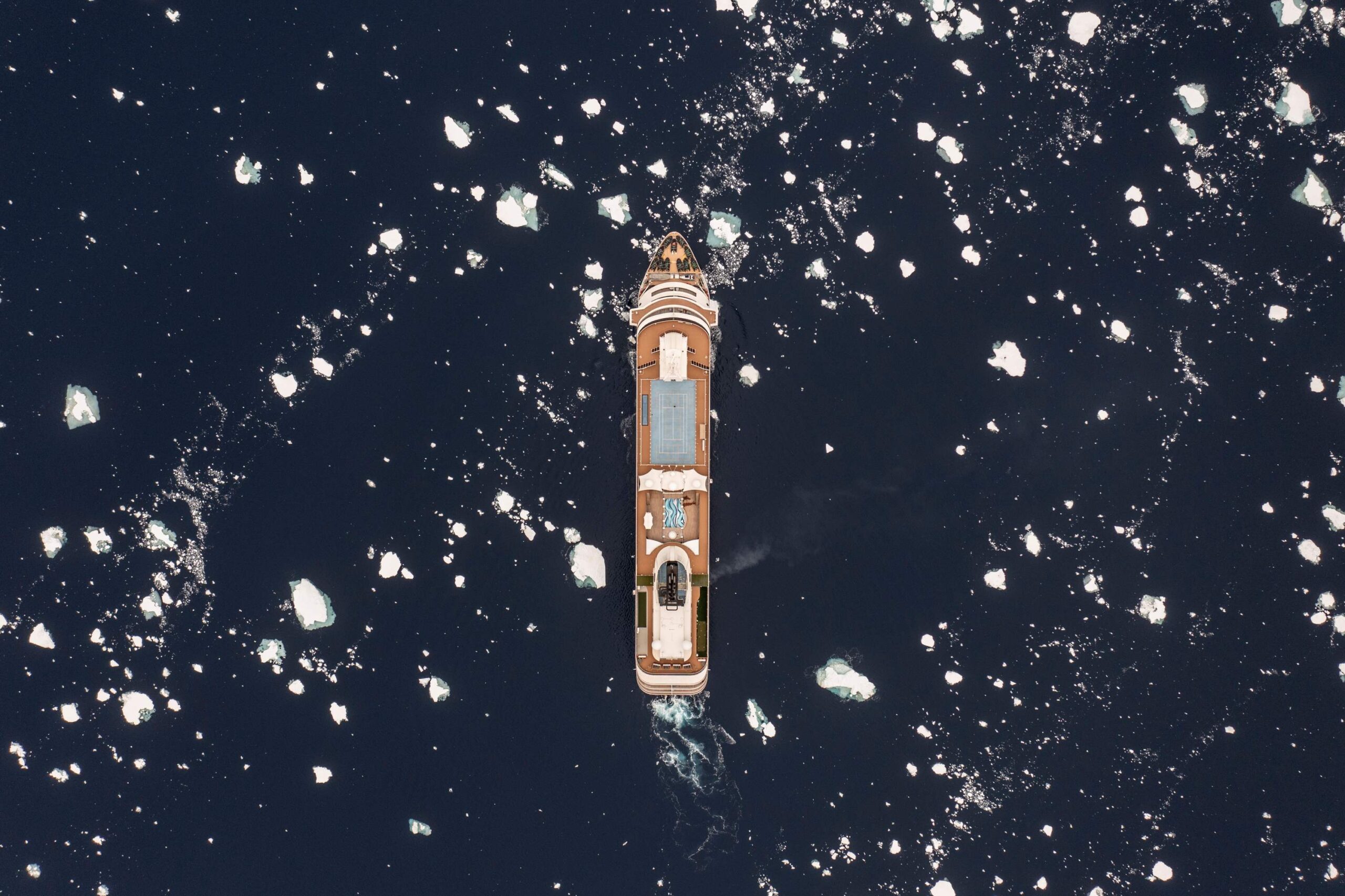
In late January 2026, the world’s largest private residential yacht, The World, departed Dunedin on a sweeping arc through the Southern Ocean—neither as a traditional research vessel nor as a standard passenger vessel, but as something far more flexible: a platform for exploration and science at the edge of the map.
Over the course of three weeks, the voyage would trace a remote and scientifically significant route through McMurdo Sound, along the edge of the Ross Ice Shelf, past the rarely visited Phantom Coast, and onward to Peter I Island before finishing in Ushuaia.
It was not a journey of firsts in the traditional sense. Instead, the team left behind something quieter and more enduring: eight autonomous oceanographic instruments, now drifting beneath the surface of one of the least understood seas on Earth.
-
A Different Kind of Research Vessel
What made this expedition remarkable wasn’t just its destination, but the journey it took to get there. Rather than relying on a traditional icebreaker or government-funded research ship, the mission leveraged The World as a platform for scientific deployment, demonstrating the potential of the EYOS-supported Yachts for Science initiative, where vessel owners can contribute to ocean science simply by committing their vessel to a project.
In the most remote regions of the planet, access is often the limiting factor. Expedition yachts, with their flexibility, range, and willingness to operate off the beaten track, can fill critical gaps—bringing scientists and cutting-edge instrumentation to places that are otherwise rarely, if ever, observed. Here, that idea became reality, supported by a collaboration between EYOS, The World, and members of The Explorers Club.
-
The Most Important Ocean You’ve Never Seen
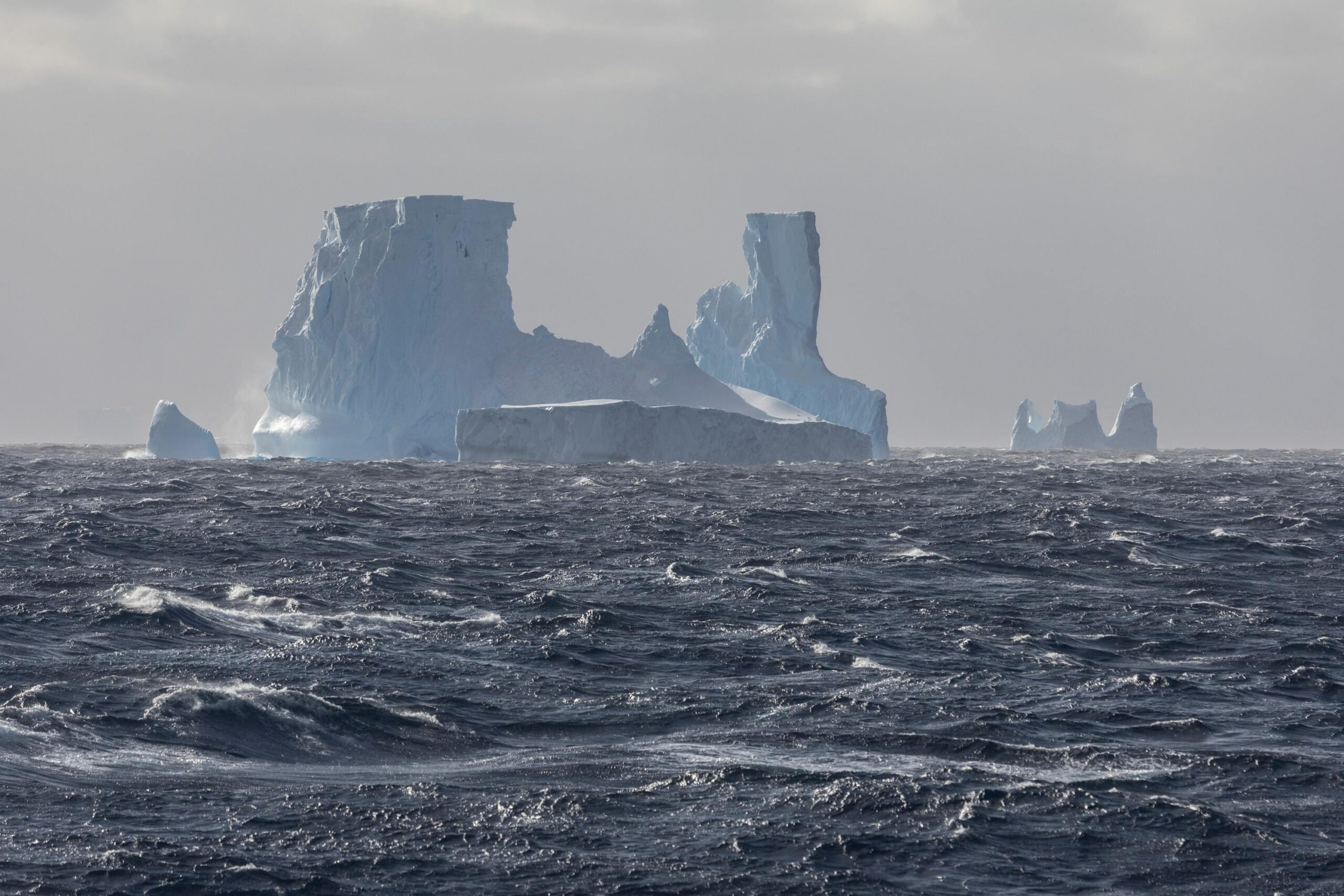
The Southern Ocean is one of the planet’s great regulators. It absorbs nearly 40% of the carbon dioxide taken up by the world’s oceans and plays an outsized role in controlling global temperature, circulation, and climate stability. At its heart lies the Ross Sea—often called “The Last Ocean” for its relative ecological intactness. Here, massive ice shelves interact with deep ocean currents, fueling ecosystems that support everything from phytoplankton blooms to krill swarms and endangered whales.
But for all its importance, this region remains profoundly under-observed.
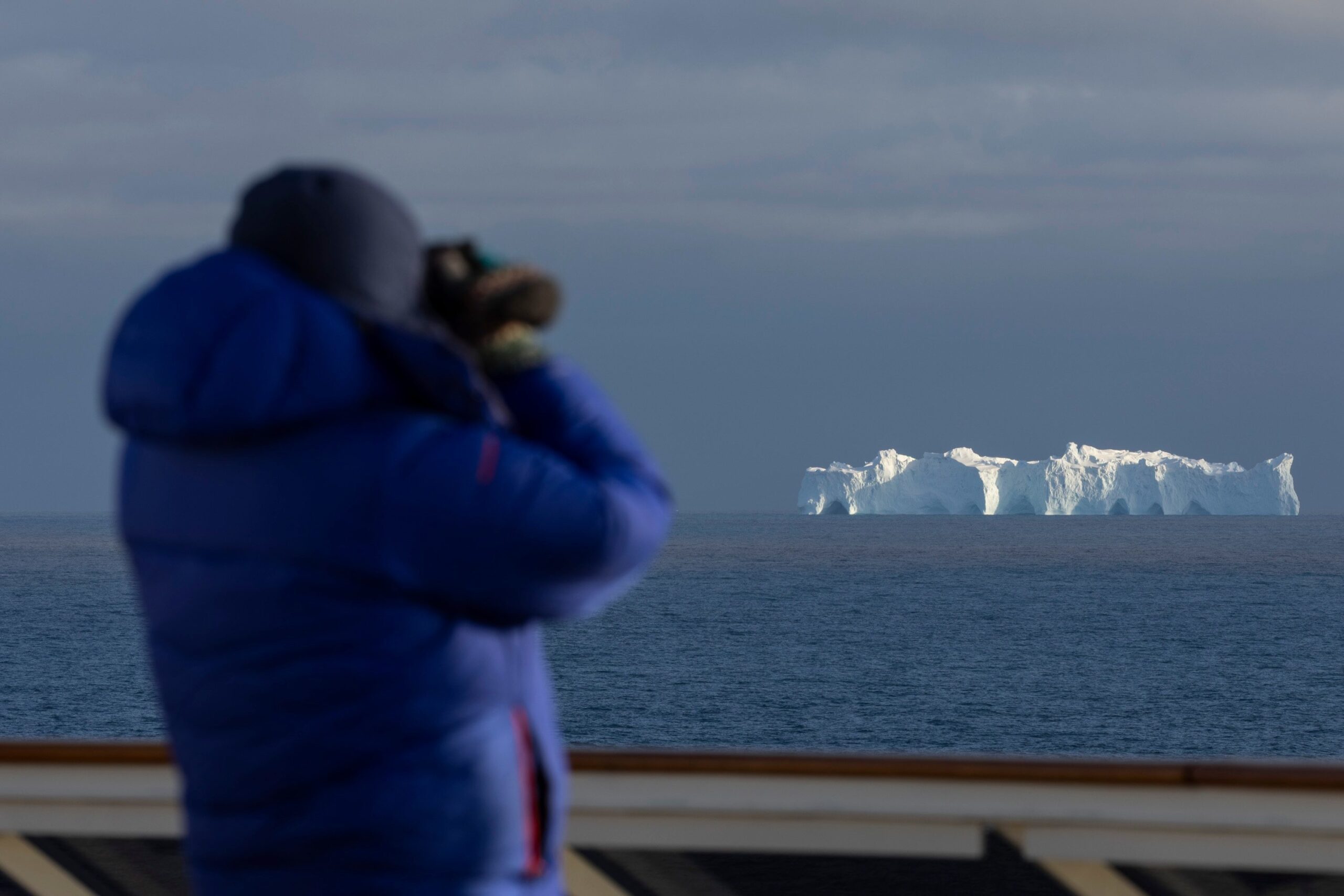
Sea ice locks it away for most of the year. Violent katabatic winds sweep down from the continent. Even in the austral summer, access is fleeting and uncertain. Satellites skim the surface. Ships pass through briefly. What happens below—where heat, carbon, and life itself are exchanged—has largely remained invisible.
-
Filling the Data Void
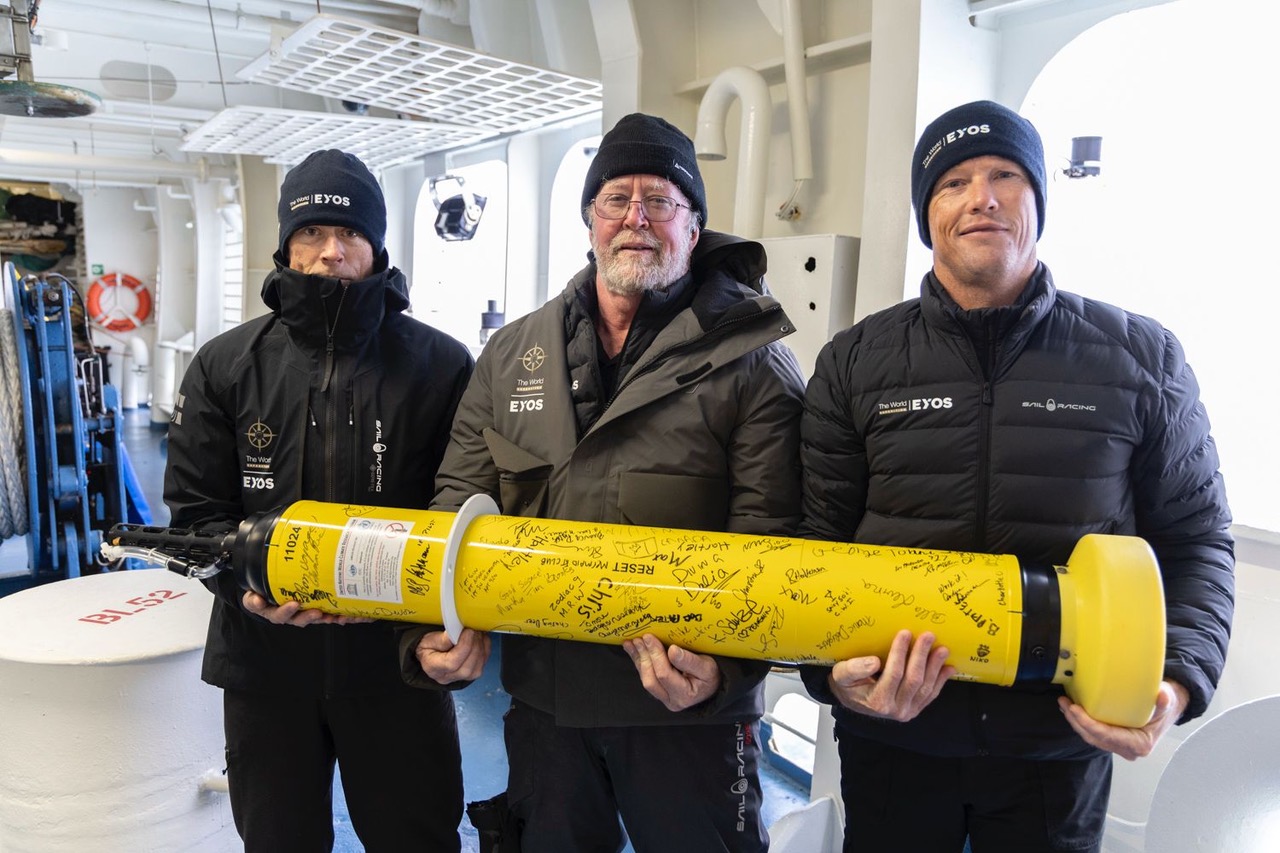
That’s where the ARGO Program comes in. A global network of more than 4,000 drifting floats, ARGO has revolutionized how we understand the ocean. These instruments dive and resurface every ten days, transmitting data on temperature, salinity, and increasingly, the chemistry and biology of seawater. But even ARGO has gaps, especially in polar regions.
From the deck of The World, the expedition team deployed eight next-generation biogeochemical floats in waters where few had operated before. Six were placed along the Phantom Coast, a remote stretch of West Antarctica. Two more were positioned on either side of Peter I Island. Without a platform capable of operating in these waters, such deployments would be logistically improbable. These were not simple instruments; each float is a self-contained laboratory. They measure:
- Temperature and salinity
- Dissolved oxygen
- pH and carbon chemistry
- Nitrate and chlorophyll
- Suspended particles and optical properties
Then they transmit that data via satellite openly and continuously to scientists around the world.
-
Why It Matters
Now, long after the ship has departed, the floats remain. They descend to depths of up to 2,000 meters, drifting with subsurface currents before rising again to the surface. Every ten days, they send back a vertical profile of the ocean—like a CT scan of a place we’ve rarely been able to see. They will do this for years. The data gathered here will help answer some of the most urgent questions in climate science:
How is heat moving into—and through—the Southern Ocean?
How much carbon is being stored, and where?
How are melting ice shelves altering circulation and ecosystems?
These processes don’t stay in Antarctica. They ripple outward and affect global weather patterns, sea-level rise, and the stability of marine food webs. To understand them is to better understand the future.
-
Exploration Reimagined
In places like the Phantom Coast, access has always been the barrier. This expedition suggests a shift: that exploration-class yachts—operating with intent—can become part of the global scientific infrastructure. Not replacing research vessels, but extending their reach. And in doing so, turning even the most remote journeys into opportunities to better understand the planet we all share.