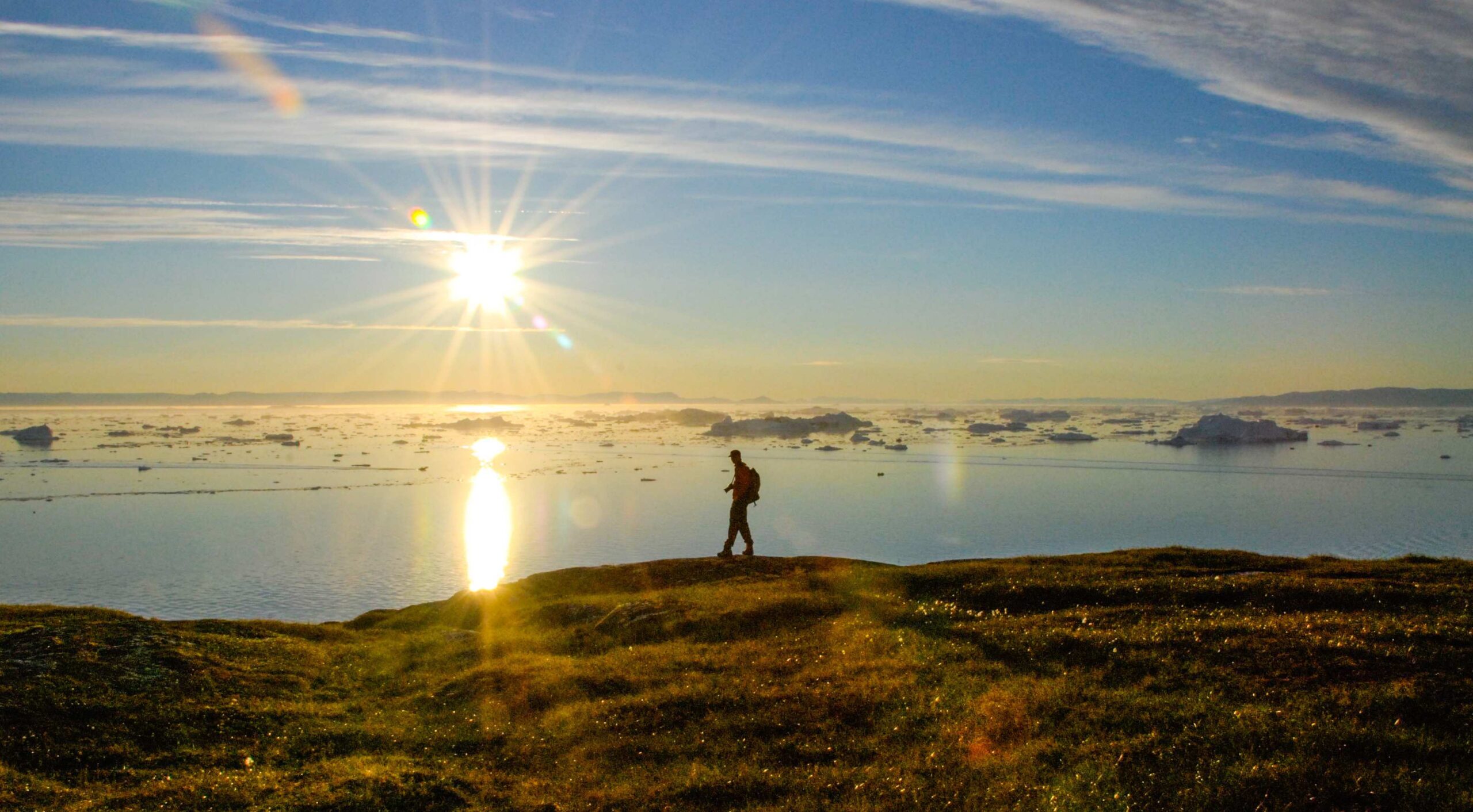
In August 2026, the skies above East Greenland will darken in one of nature’s rarest spectacles: a total solar eclipse witnessed from the silence of the Arctic. Deep within the vast fjords and icefields of Scoresbysund, guests aboard an exclusive voyage with EYOS will experience totality far from crowds, surrounded by towering icebergs, polar landscapes, and the stillness of one of the most remote places on Earth.
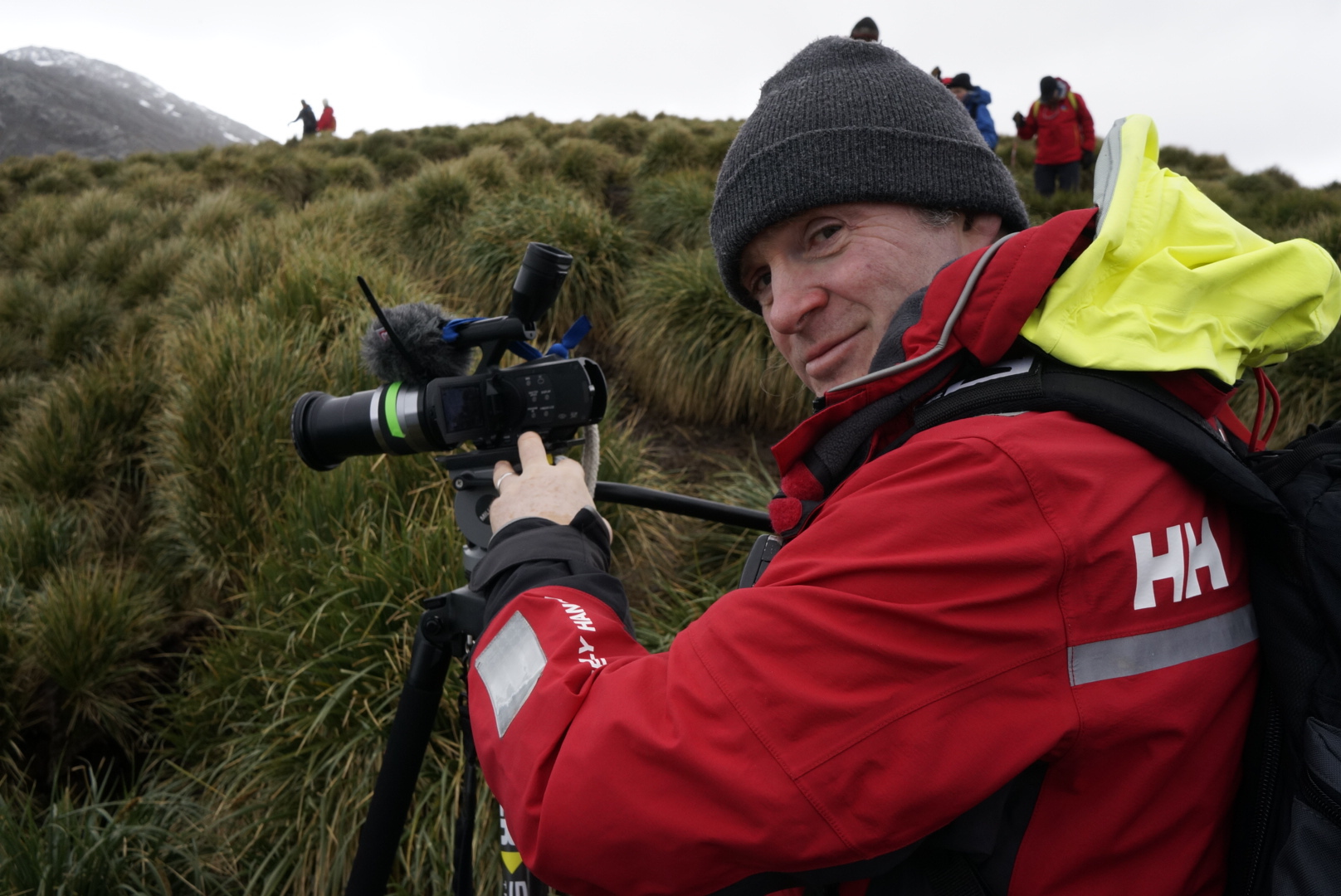
Joining the expedition as a special photographic guide is David Wright, an award-winning filmmaker and photographer whose career has spanned more than 75 countries and some of the planet’s most extreme environments.
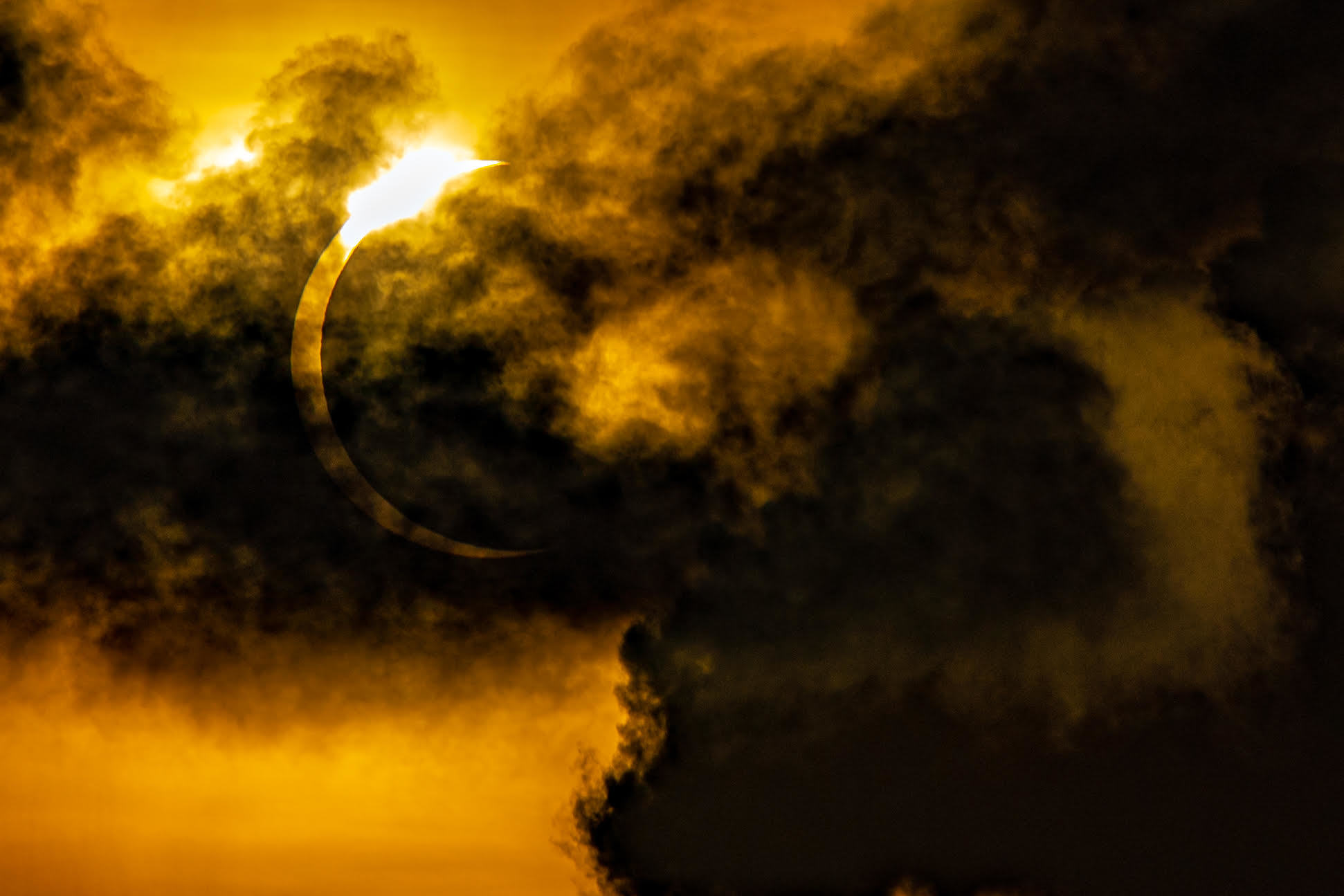
For Wright, this voyage is both a return and a pursuit. Having previously filmed a total solar eclipse in a remote region of Brazil, he understands the surreal transformation that occurs when daylight disappears and the world seems to pause. “The sky doesn’t just darken,” Wright writes in his field guide to photographing eclipses. “Shadows turn razor-sharp. The temperature plummets. Birds fall silent. For those precious minutes of totality, you’re not just watching the cosmos — you feel like you are standing inside it.” Now, he returns to another landscape he knows intimately: the Arctic.
-
A Career Shaped by the Polar Regions
Originally from the United Kingdom, Wright began his career filming natural history content at Oxford Scientific Films before going on to work with organizations including National Geographic, PBS, and BBC.
Over the last two decades, much of his work has focused on the Arctic. A two-year assignment filming polar bears for a major National Geographic documentary led to extensive work throughout Svalbard, Alaska, the Beaufort and Bering Seas, and Greenland itself. His projects have documented walruses, migratory seabirds, Arctic geology, and the rapidly changing relationship between ice and the people who live alongside it.
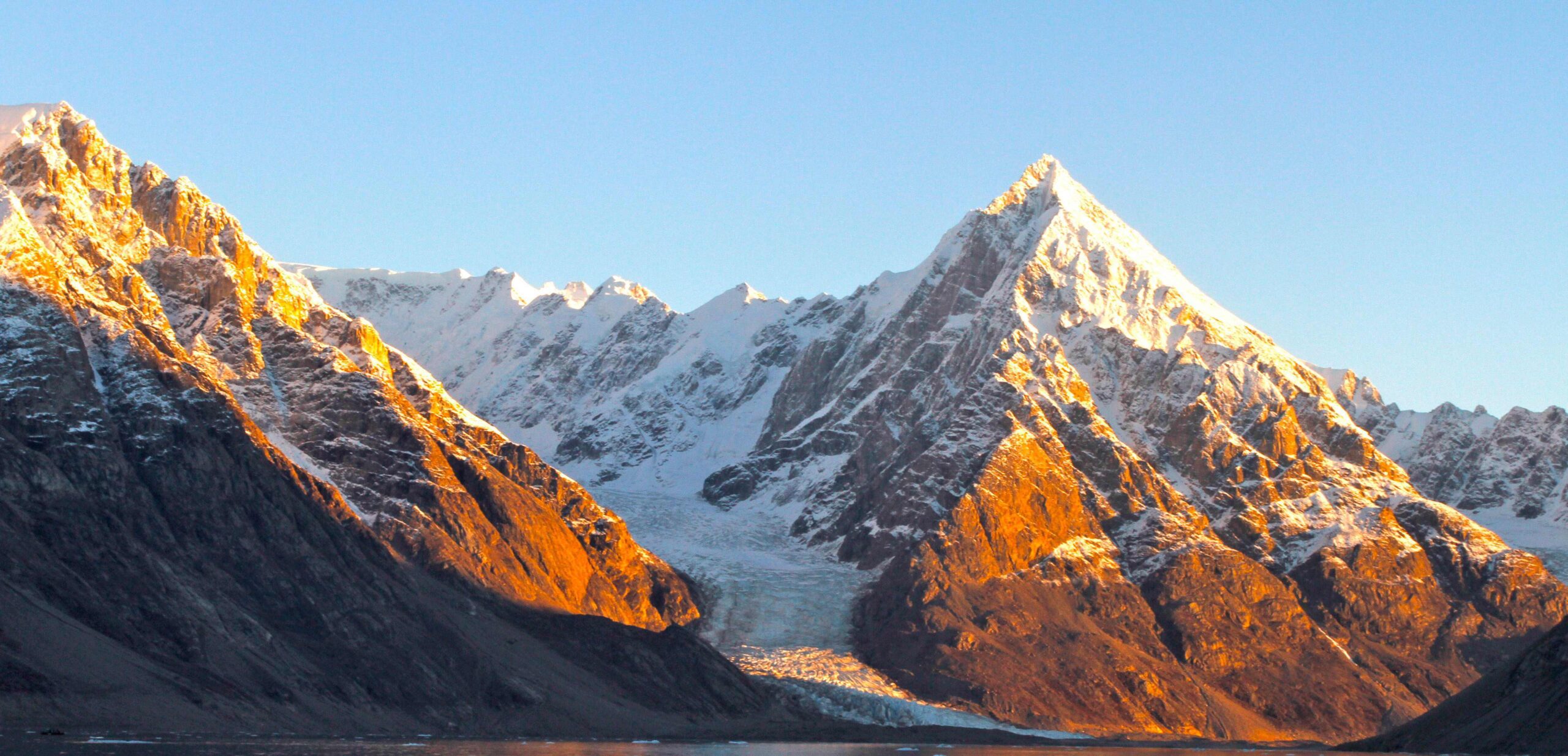
Scoresbysund — the destination for this expedition — is a place Wright has returned to repeatedly for film shoots and exploratory voyages. Its immense fjord system, drifting icebergs, and dramatic mountain walls offer an extraordinary setting for photography even without an eclipse overhead. Under totality, it becomes something altogether rarer.
Wright’s work has earned both a National Geographic Emmy Award and a Jules Verne Award for his contributions to Arctic filmmaking and storytelling.
-
Photographing the Moment the World Changes
A total solar eclipse lasts only minutes, but the experience leaves a permanent imprint.
As part of the expedition, Wright will guide guests through both the technical and emotional challenge of photographing the event — whether using a professional camera system or simply a smartphone. Drawing from his own experience filming eclipses and decades working in extreme environments, he will help guests prepare for the rapidly changing conditions of totality while encouraging them not to lose sight of the experience itself.
“The mistake everyone makes,” Wright notes, “is trying to do everything.”
Instead, his philosophy mirrors the spirit of expedition travel itself: prepare thoroughly, simplify when it matters, and leave space to fully absorb the moment.
Guests will receive guidance on eclipse safety, camera setup, composition, exposure, and practical field techniques before and during the voyage. From photographing the corona with long lenses to capturing the eerie twilight over Greenland’s ice-filled fjords, the emphasis will be on documenting not just the eclipse, but the atmosphere and human experience surrounding it.
-
Greenland by Expedition Yacht
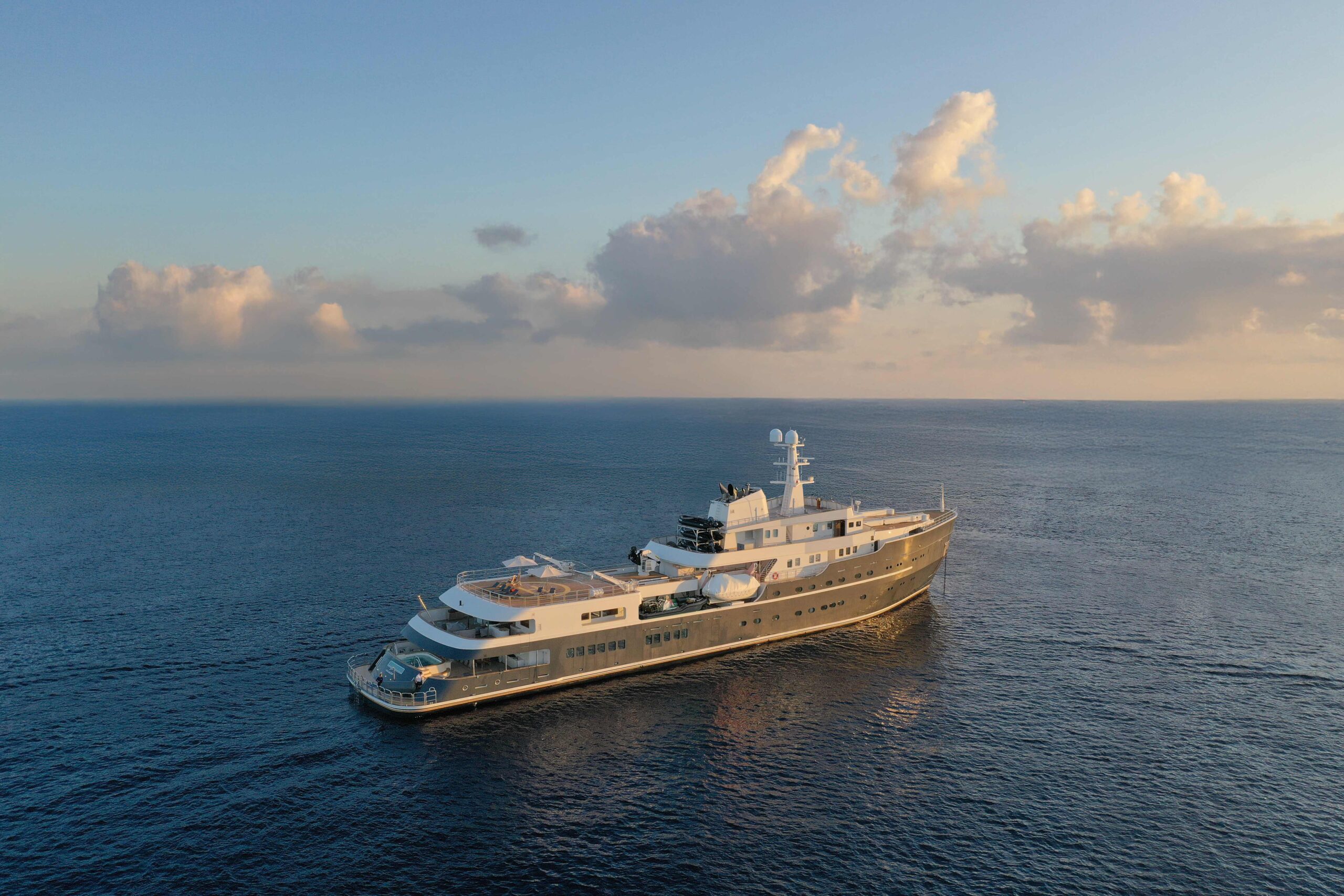
Experiencing a total solar eclipse from Greenland is already exceptionally rare. Experiencing it aboard a privately operated expedition yacht is rarer still.
This is where EYOS’ Greenland Eclipse voyage becomes uniquely compelling. Rather than viewing the eclipse from land alongside large crowds, guests will travel deep into East Greenland aboard an expedition vessel capable of adapting to weather, ice conditions, and optimal viewing opportunities. The mobility of the yacht allows the expedition team to position guests in the best possible location for clear skies and dramatic scenery while exploring one of the world’s least-visited polar regions.
The experience extends far beyond eclipse day itself. Icebergs drift silently through the fjords. Musk oxen roam the tundra. Arctic light stretches late into the evening. Every landing, zodiac excursion, and navigation through Scoresbysund becomes part of a broader immersion into Greenland’s wild eastern coast.
For Wright, that combination of celestial spectacle and remote polar exploration is precisely what makes the journey unforgettable.
-
A Shared Spirit of Exploration
Wright’s approach aligns naturally with the philosophy behind EYOS: meaningful access to the world’s most remote places, flexibility in the field, and a deep respect for authentic experience.
Together, the voyage offers more than a front-row seat to a rare astronomical event. It is an opportunity to witness one of Earth’s most extraordinary natural phenomena within one of its last truly wild landscapes — guided by a photographer and filmmaker who has spent much of his life documenting both.
For photographers, adventurers, and travelers drawn to rare moments of light and place, August 2026 promises an experience unlikely to be repeated. Learn more about the expedition here.