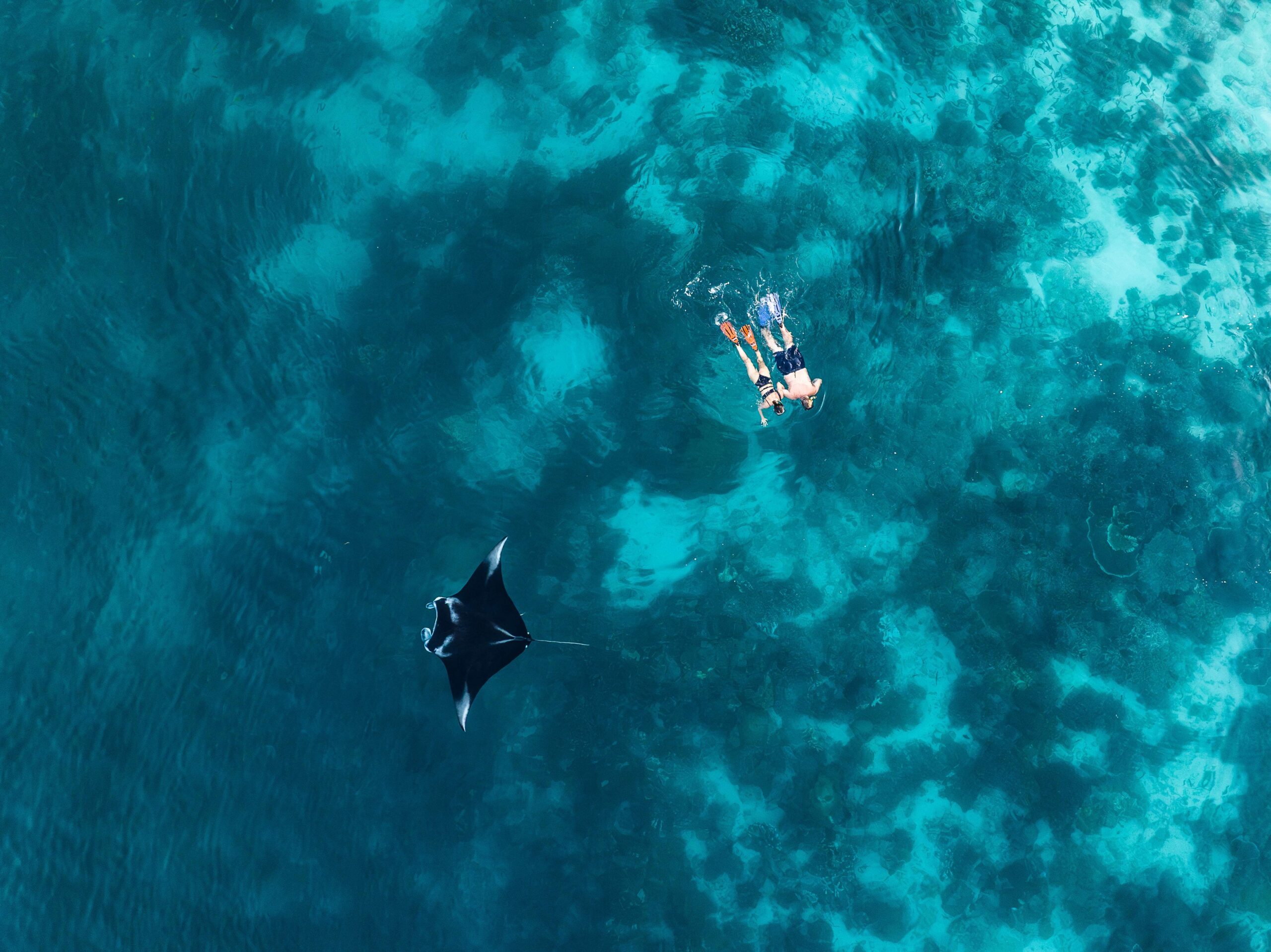
For many travelers, seeing a manta ray in the wild becomes the defining memory of an expedition. Not because of spectacle alone, but because of the ecological and cultural stories these animals tell. They move through the sea with a fluidity that feels almost unreal: cephalic fins unfurled, enormous mouths open to feed on microscopic plankton, fins propelling them effortlessly through nutrient-rich tropical currents. To encounter manta rays in remote waters is to witness one of the ocean’s most elegant natural histories firsthand.
-
The Ocean’s Gentle Giants
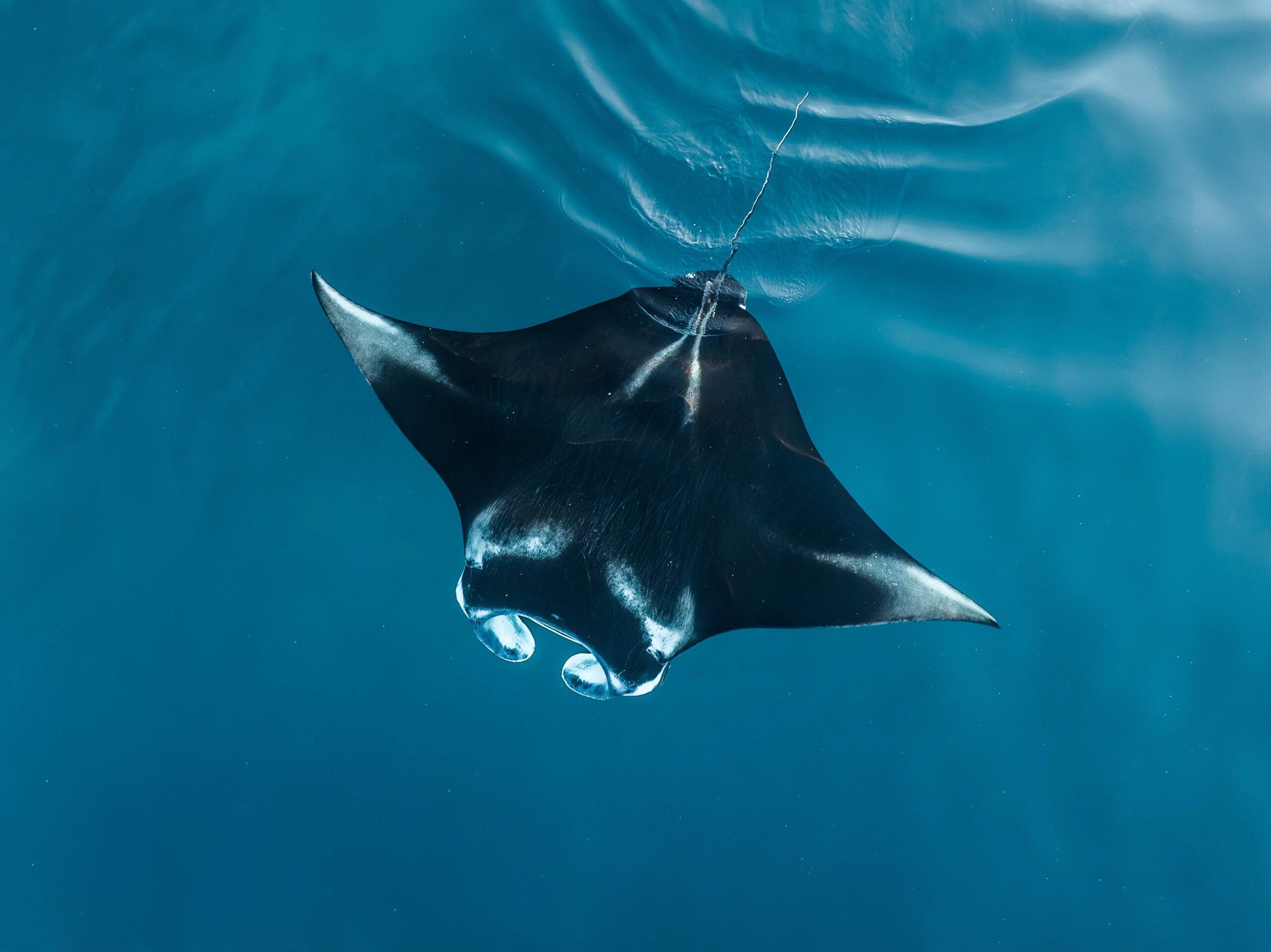
Manta rays are among the largest fish in the world, with some individuals reaching wingspans of more than 20 feet. Despite their immense scale, they are filter feeders, consuming plankton and tiny marine organisms concentrated by currents and seasonal blooms.
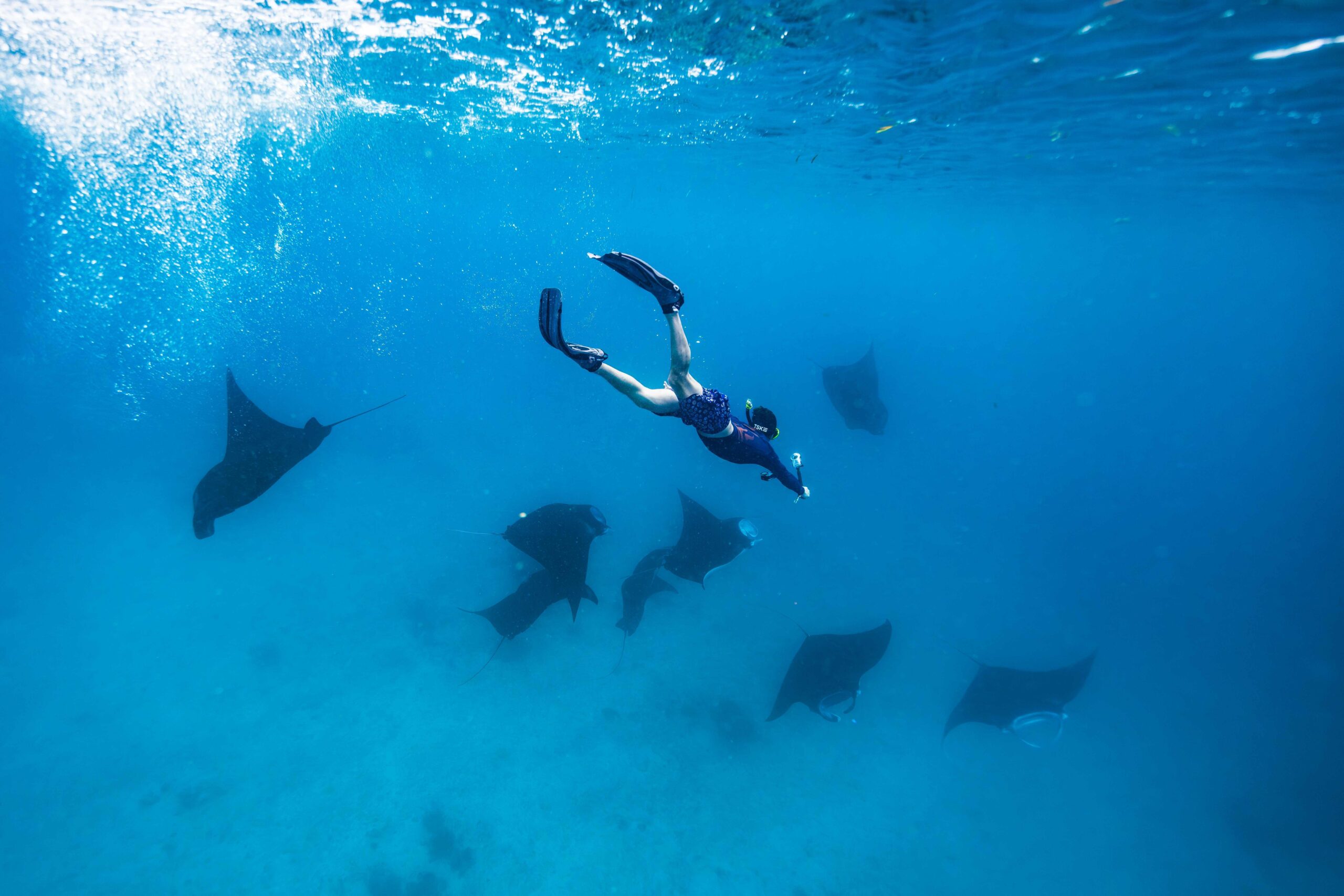
Highly intelligent and famously curious, manta rays often interact with divers and snorkelers in ways that feel unusually personal. They circle slowly, approach closely, and seem almost suspended in the water column. Scientists have identified complex social behaviors and unusually large brain-to-body ratios, placing mantas among the ocean’s most fascinating pelagic species.
Their lives are closely tied to healthy marine ecosystems. Cleaning stations on coral reefs, offshore pinnacles, and nutrient-rich channels all serve as gathering points. This means the world’s best manta ray encounters are often found in remote regions best explored by expedition yacht.
-
Expedition Access to the Remote Oceans
Unlike fixed itineraries aboard larger vessels, expedition yachts allow travelers to move with the rhythms of the ocean itself. Wildlife activity shifts constantly with weather, tides, and plankton conditions. Having the flexibility to reposition overnight or linger in productive waters creates opportunities for encounters that would otherwise be impossible.
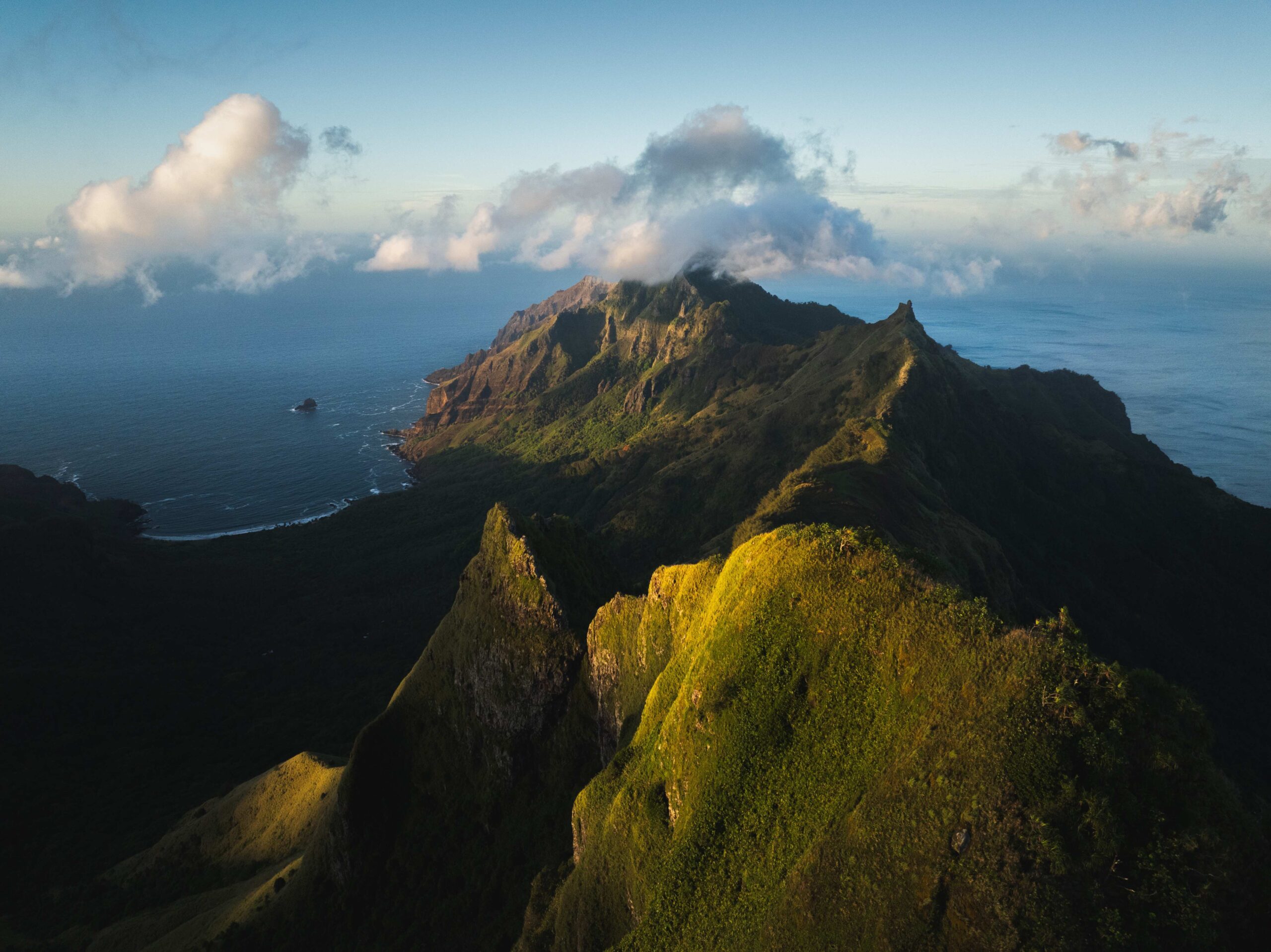
Access is equally important. Many of the finest manta ray destinations lie far beyond crowded coastlines and conventional tourism routes. Expedition yachts can anchor close to remote reefs, isolated islands, and protected marine parks, allowing guests to enter the water in places where wildlife encounters remain remarkably undisturbed.
With experienced expedition leaders, naturalists, and dive teams guiding each journey, guests are able to explore these ecosystems with both safety and deeper ecological understanding.
-
Where EYOS Guests Encounter Manta Rays
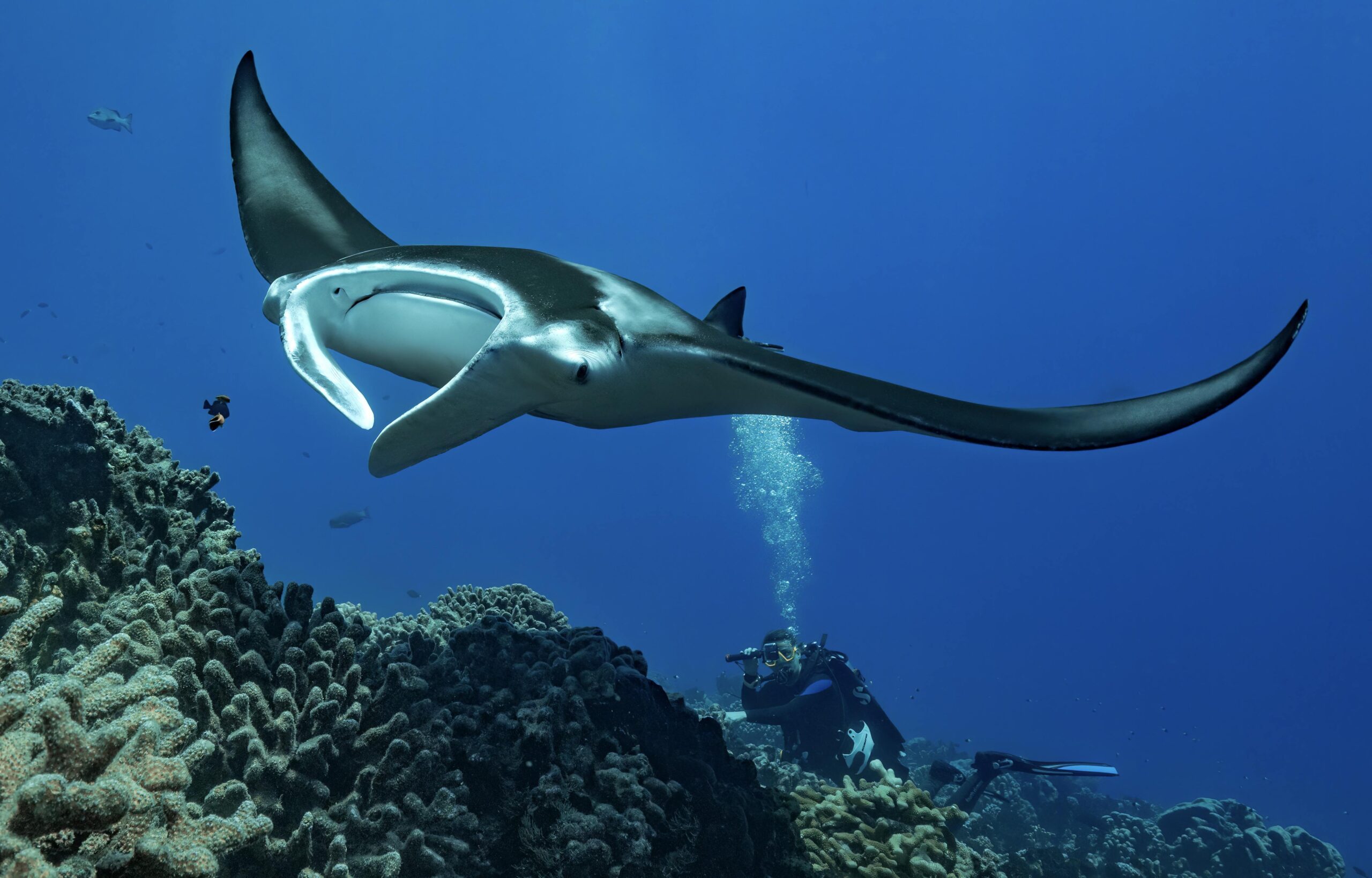
The reefs and channels of Raja Ampat are among the most biodiverse marine ecosystems on Earth. Here, reef mantas gather at cleaning stations scattered throughout limestone islands and coral-rich passages where nutrient currents fuel extraordinary marine life.
Exploring Raja Ampat by expedition yacht allows guests to move between remote anchorages inaccessible to larger vessels, combining world-class diving with intimate exploration of one of the planet’s last great marine wildernesses.
Across the islands and atolls of French Polynesia, manta rays glide through passes, lagoons, and volcanic reef systems surrounded by some of the clearest water in the Pacific. In destinations such as the Tuamotus and the Society Islands, mantas gather at cleaning stations where snorkelers and divers can observe them moving effortlessly through shafts of tropical light.
Aboard expedition yachts, guests can move between remote islands and lesser-visited anchorages unreachable on conventional itineraries. Days may include diving with manta rays in the morning, exploring palm-fringed motus by kayak in the afternoon, and anchoring beneath impossibly dark Polynesian skies by evening.
The waters surrounding Baja California Sur are legendary for pelagic marine life. Alongside whales, dolphins, and whale sharks, manta rays and mobula rays appear throughout the Sea of Cortez and offshore Pacific waters.
Certain seasons bring extraordinary aggregations of mobula rays, sometimes numbering in the thousands as they leap and glide across the sea surface. For guests exploring Baja aboard expedition yachts, manta encounters become part of a larger immersion into one of the richest marine ecosystems anywhere in the world.
-
Wildlife that Redefines Exploration
Manta ray encounters are memorable not only because of the animals themselves, but also because of the environments they inhabit. Remote reefs. Open ocean crossings. Volcanic islands rising from deep water. Places where nature still dictates the experience.
Aboard expedition yachts, guests experience these ecosystems far beyond the boundaries of traditional travel. Days unfold according to conditions and wildlife activity rather than rigid schedules. One morning may begin with manta rays circling beneath snorkelers; another may end with whales surfacing against a distant horizon at sunset.
For photographers, naturalists, and explorers alike, these moments offer something increasingly rare: genuine connection to the wild ocean.
With decades of experience operating in some of the world’s most remote marine environments, EYOS designs private yacht expeditions that bring guests closer to extraordinary wildlife encounters while prioritizing conservation, safety, and meaningful access to the natural world.