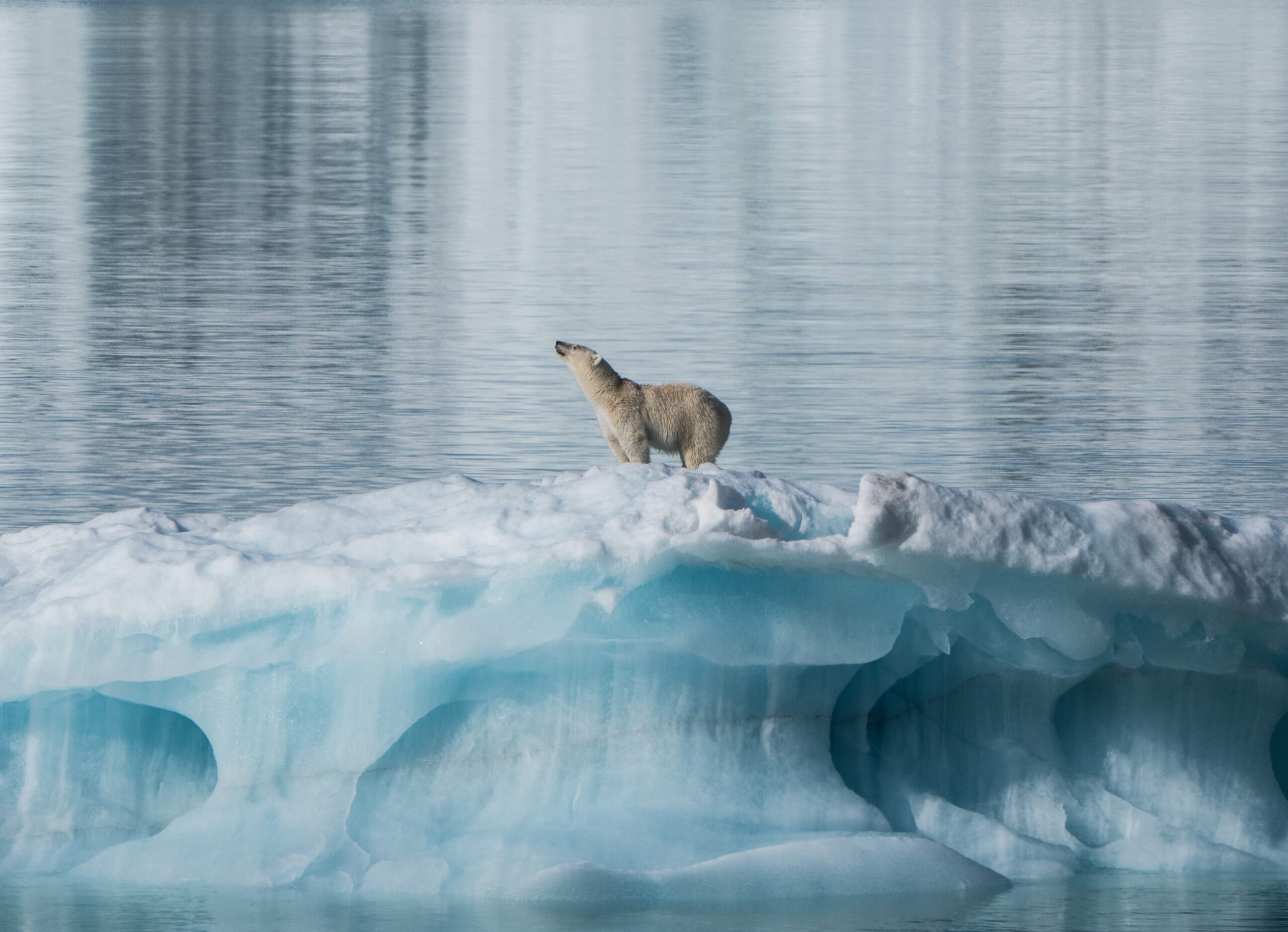
The Northwest Passage has long captured the imagination of explorers. For centuries, these waterways represented one of the last great geographical puzzles—a labyrinth of islands, sea ice, and uncharted coastlines stretching across the Canadian High Arctic. Today, while modern expedition vessels have made these remote regions more accessible, one thing remains unchanged: here, nature still sets the agenda.
There are no guarantees in the Arctic. Wildlife sightings can’t be scheduled, and each day unfolds according to the weather, the sea ice, and the animals themselves. That unpredictability is precisely what makes every encounter so memorable. One morning may begin with a distant polar bear navigating fractured sea ice. By afternoon, a pod of belugas could surface beside your Zodiac, while seabirds circle overhead and Arctic foxes patrol the shoreline.
For those fortunate enough to explore the Northwest Passage, these are five wildlife encounters that define the journey.
-
1. Watching a Polar Bear Cross the Sea Ice
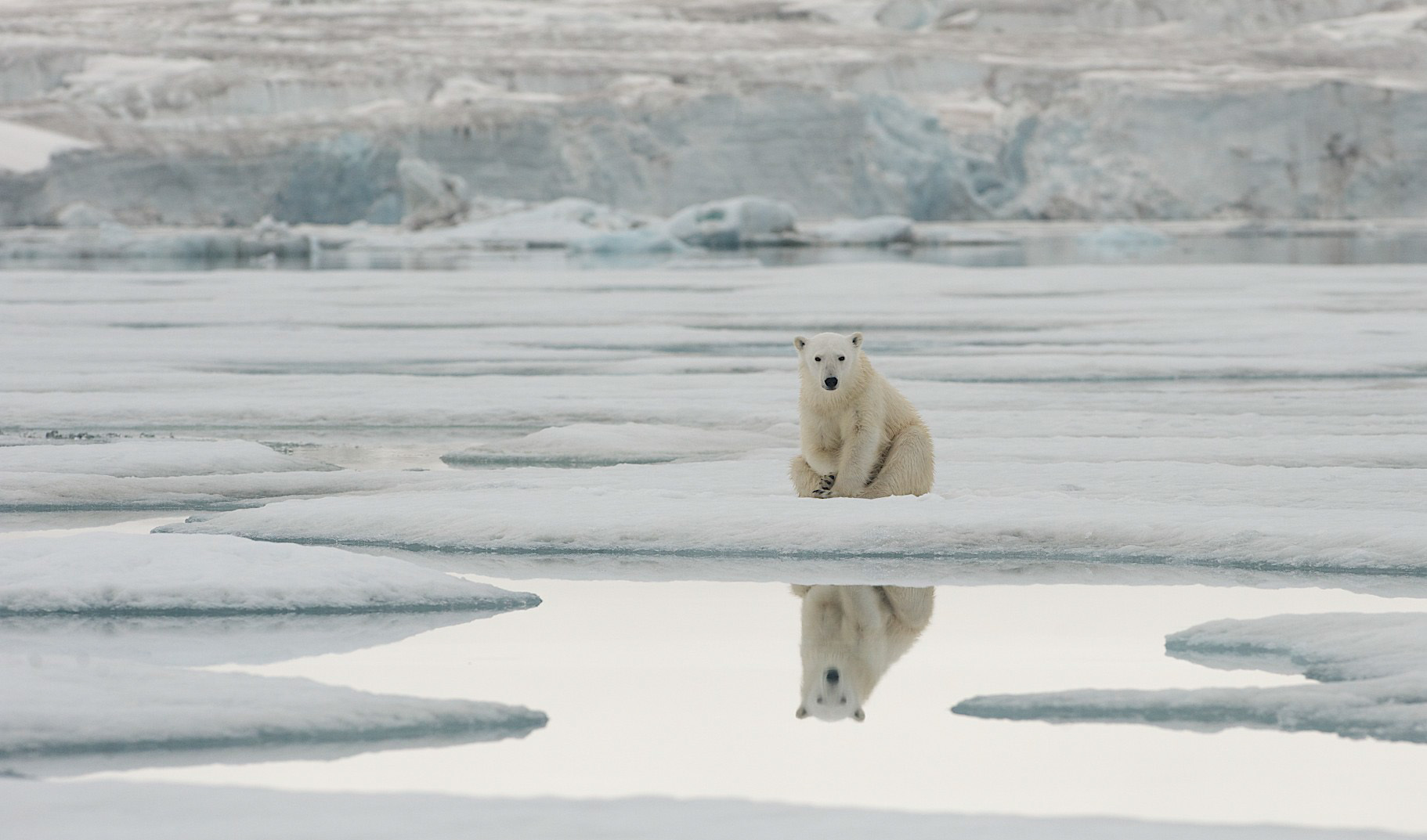
Few wildlife encounters carry the same sense of anticipation as spotting a polar bear in its natural habitat. Usually solitary and always formidable, this apex predator of the Arctic roams the Arctic in a constant search for prey. Protected for a half century, and not habituated to humans, interactions with polar bears are usually characterized by mutual curiosity.
Polar bears are the ultimate Arctic predator and their size and strength make them one of the most awe-inspiring creatures to witness in the wild. The dwindling sea ice is a concern for their survival, but it also offers unique opportunities for observing these majestic animals. The combined experience of EYOS ice pilots to navigate through challenging conditions and expedition staff with local knowledge allows you to glimpse polar bears in their natural habitat for a truly intimate encounter.
-
2. Catching a Glimpse of the Elusive Narwhal
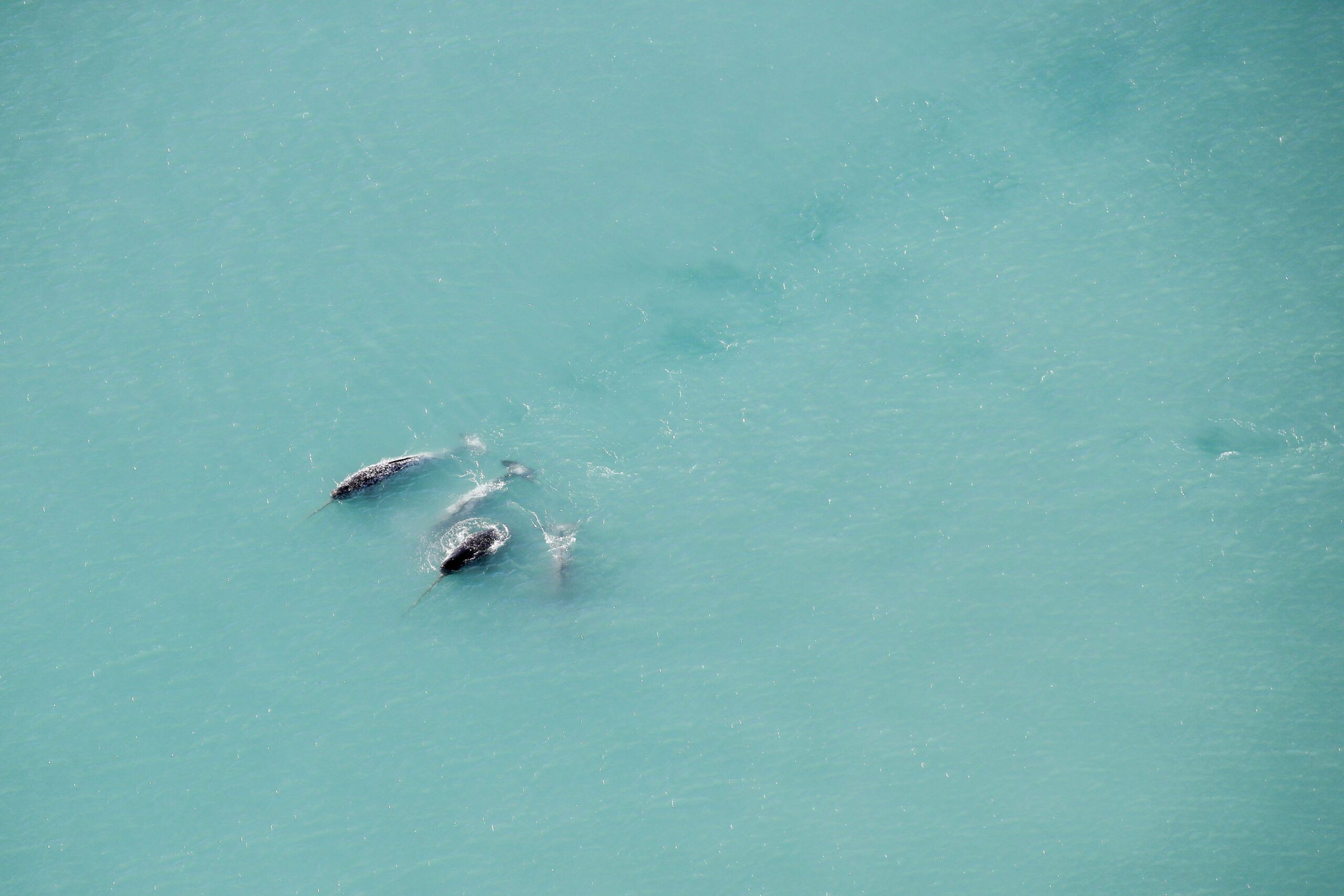
There are wildlife sightings that become stories you’ll tell for years—and then there are narwhals.
Nicknamed the “unicorns of the sea,” narwhals remain one of the Arctic’s most mysterious marine mammals. Unlike humpbacks or orcas, they rarely make dramatic appearances. Instead, patience is rewarded with fleeting moments: the long spiral tusk breaking the surface, a smooth grey back rolling through calm water, then disappearing almost as quickly as it arrived.
The waters of the Canadian High Arctic are among the best places on Earth to encounter narwhals in the wild, but every sighting feels like a privilege rather than an expectation.
-
3. Spotting an Arctic Fox on a Tundra Walk
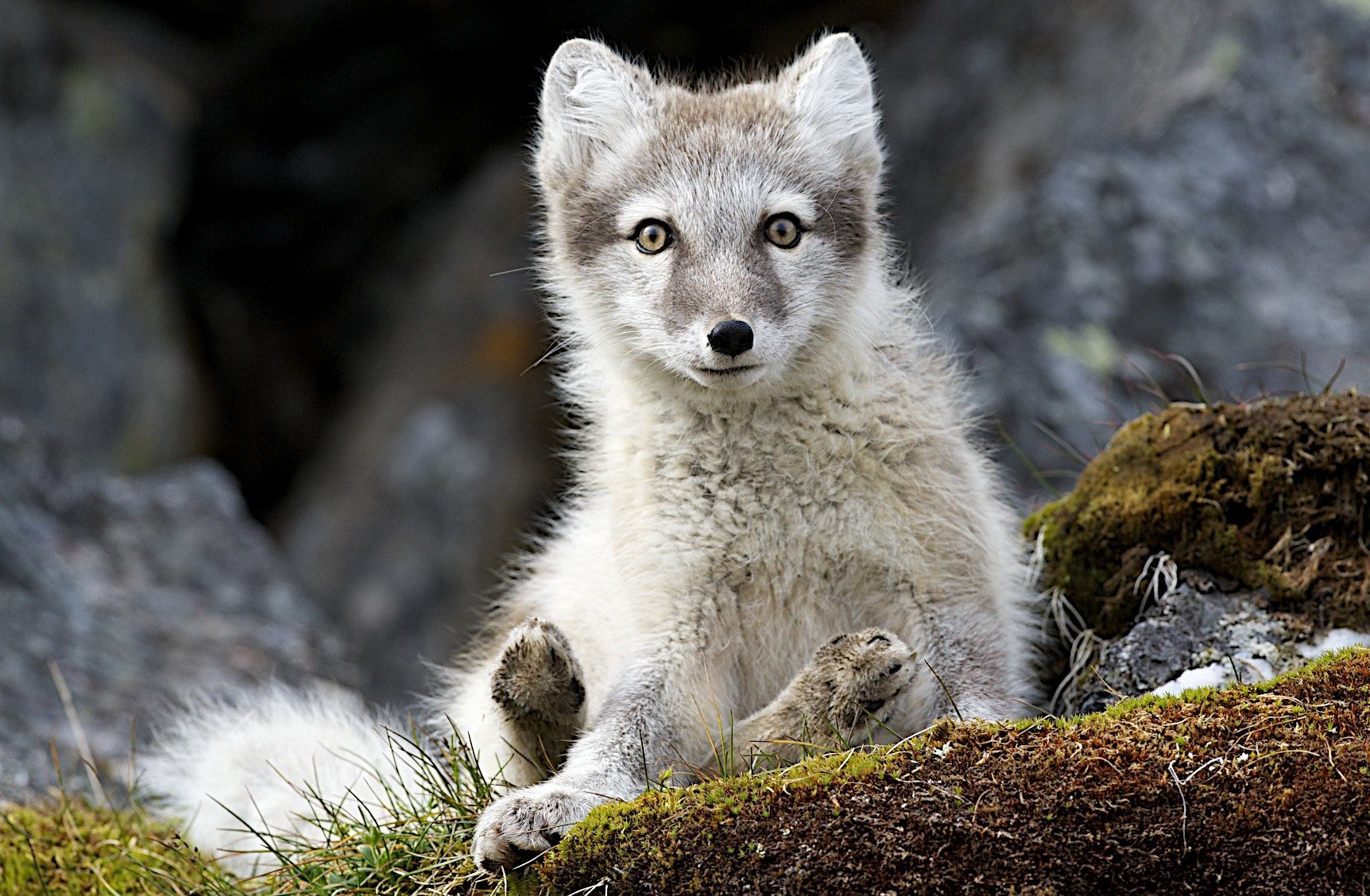
Not every memorable wildlife encounter happens on the water. During shore landings, guests often explore sweeping tundra landscapes dotted with wildflowers, ancient archaeological sites, and glacial valleys. It’s here that one of the Arctic’s smallest predators occasionally steals the show.
Perfectly camouflaged in its summer coat, the Arctic fox moves almost silently between rocks and low vegetation, pausing only briefly to investigate its surroundings before disappearing once again into the landscape. Its adaptability is remarkable. Surviving temperatures that plunge well below freezing in winter, the Arctic fox has evolved to thrive where few other mammals can.
A brief encounter may last only seconds, but it’s often one of the most rewarding moments of an Arctic hike.
-
4.Hearing Belugas Before You See Them
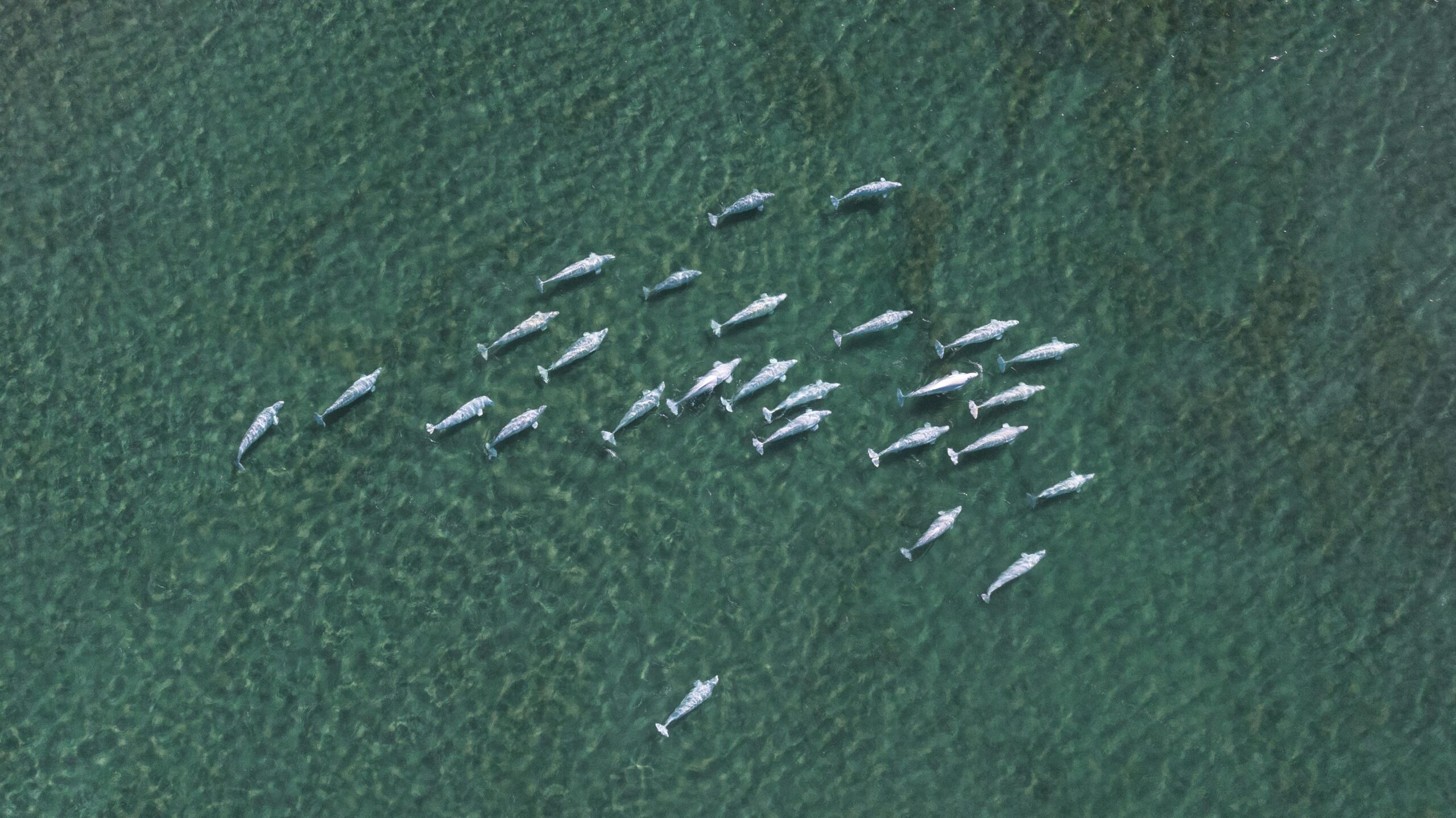
Belugas are among the Arctic’s most charismatic residents, and one of its most social. Known as the “canaries of the sea” for their remarkable repertoire of whistles, clicks, and chirps, these bright white whales often announce their presence before they appear. Then, one by one, smooth white backs emerge from the water, sometimes surrounding the Zodiac with an effortless curiosity.
In late summer, the sheltered bays and inlets of the Northwest Passage become important gathering places for belugas, where mothers travel alongside calves and pods feed in the nutrient-rich waters. Their inquisitive nature often leads to encounters that feel surprisingly personal, making belugas a perennial favorite among guests and photographers alike.
-
5. Standing in the Presence of a Walrus Haul-Out
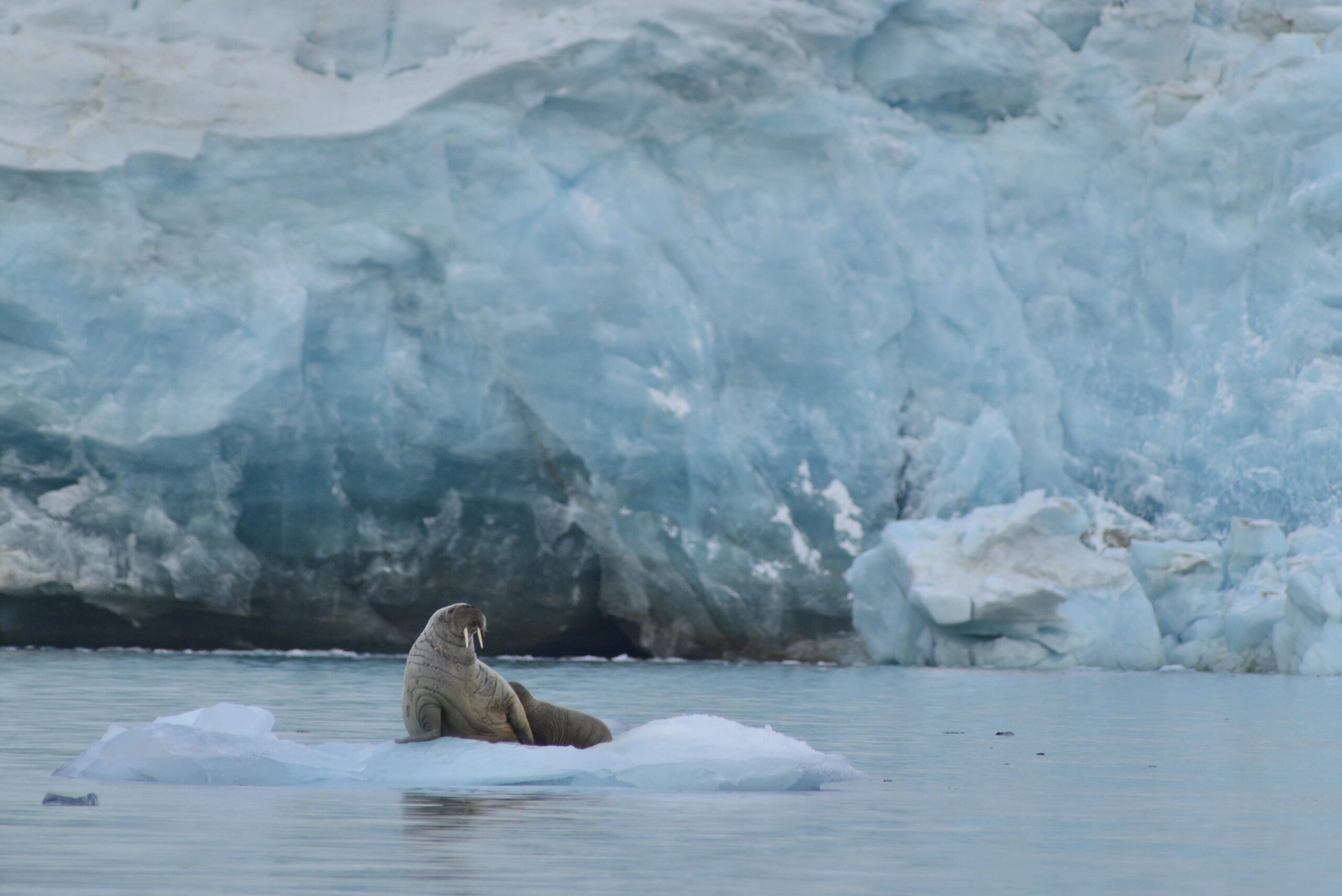
A chorus of grunts, bellows, and splashes carries across the shoreline as hundreds of walruses gather on remote beaches and rocky islands. Some sleep in tightly packed groups, others spar gently with their enormous ivory tusks, while a few slide awkwardly back into the sea with surprising grace.
Approaching a haul-out requires patience and respect. Expedition teams keep a careful distance, allowing the animals to behave naturally while guests observe one of the Arctic’s most extraordinary spectacles.
Despite their immense size—males can weigh more than 3,000 pounds—walruses possess an undeniable curiosity that often makes for unforgettable encounters.
-
Every Voyage Writes Its Own Wildlife Story
No two expeditions through the Northwest Passage are ever the same. Changing ice conditions, weather, tides, and wildlife movements ensure that every itinerary unfolds differently. Along the way, guests may also encounter musk oxen grazing on windswept hillsides, bowhead whales surfacing offshore, seals hauled out on drifting ice, snowy owls perched on rocky outcrops, or thousands of seabirds nesting along towering cliffs.
This unpredictability is what makes the Northwest Passage one of the world’s greatest expedition destinations. Wildlife is never staged, and every sighting is earned through patience, careful observation, and a willingness to embrace the unexpected.
For those seeking one of the planet’s last truly wild frontiers, there are few places that reward curiosity quite like the Canadian High Arctic. Long after the voyage ends, it’s often these fleeting encounters—a polar bear disappearing over the ice, the quiet whistle of belugas beneath the hull, or the sudden appearance of a narwhal’s tusk—that remain etched in memory.
EYOS provides an opportunity to witness the Arctic’s most exciting wildlife in a truly immersive way. Ready to start your adventure? Contact us at [email protected] to begin your journey today.
Ready to start your adventure? Contact us at [email protected] to begin your journey today.