An expedition yacht is defined less by how it looks than by what it makes possible. The ability to travel far from established routes, operate in challenging environments, and adapt as conditions change is what separates an expedition vessel from a yacht designed primarily for cruising.
That capability comes from a combination of vessel design, onboard equipment, experienced crew, and careful planning. An ice-classed hull opens up polar waters. A helicopter or submersible extends exploration beyond the yacht itself. A fleet of tenders turns a remote anchorage into a starting point for a day of discovery.
At EYOS, choosing the right yacht starts with understanding what guests want to experience. From purpose-built polar vessels to traditional sailing yachts equipped for tropical exploration, each brings different capabilities to an expedition. The vessel is the platform, but its design and equipment help determine what is possible once the journey begins.
-
Built to Go Further
Expedition yachts are designed to operate where conditions can be unpredictable and support infrastructure is limited. Depending on the destination, that can mean an ice-strengthened hull, substantial range for extended voyages, or a draft suited to exploring remote coastlines and anchorages.
Expedition capability also depends on self-sufficiency. In remote regions, yachts may operate for extended periods without access to ports, fuel, provisions or technical support. Range, freshwater production, storage, communications and engineering redundancy can therefore be just as important as the more visible expedition equipment carried on board.
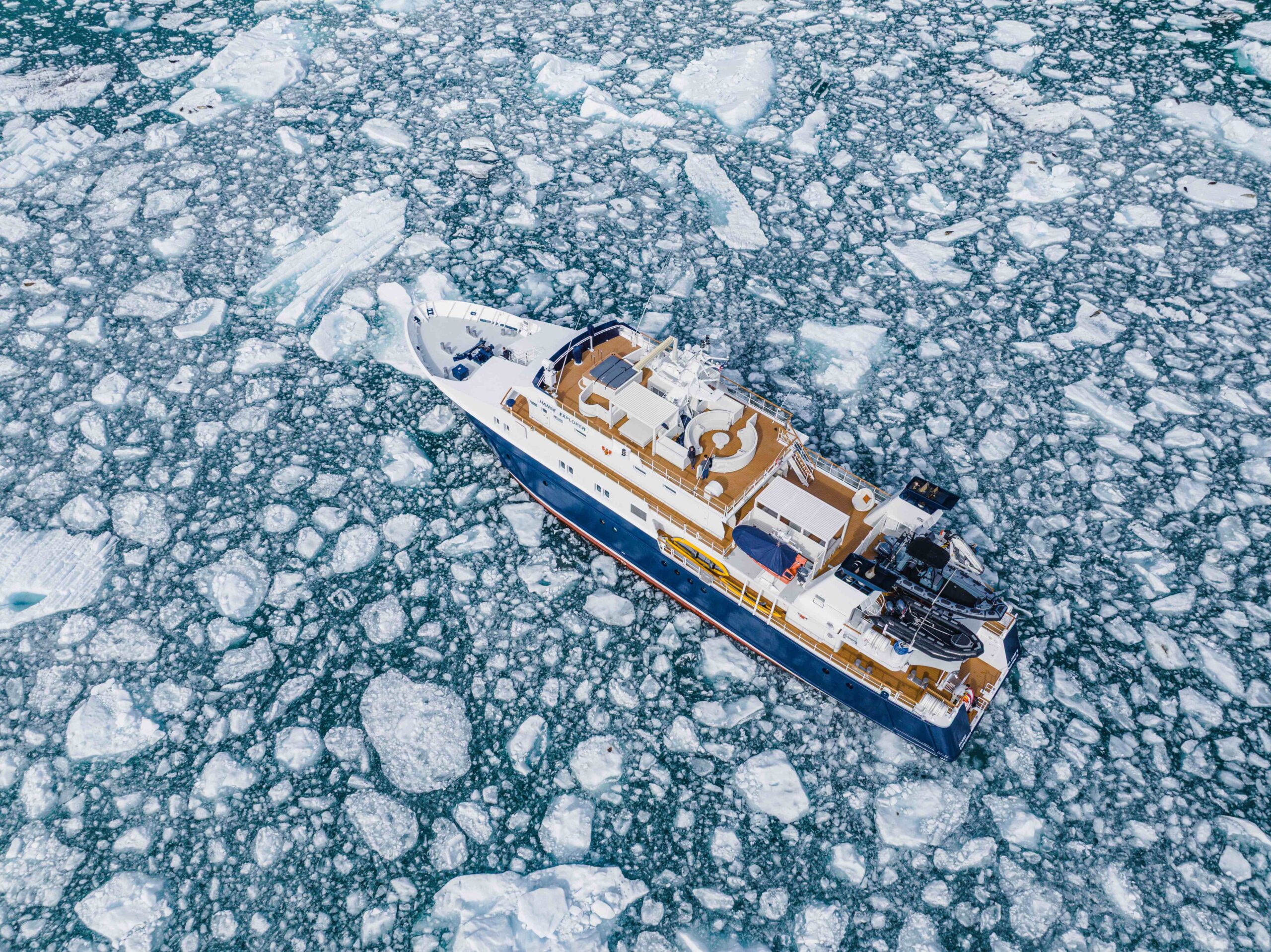
Hanse Explorer is built for these demands. With an ice-classed hull, retractable stabilizers, two Zodiac landing craft, and dedicated dive facilities, she is equipped for expeditions in polar and tropical regions.
Solace offers another approach to exploration, combining expedition capability with access to remote coastlines and exceptional wildlife encounters.. Her Swimming with Giants itinerary highlights this approach, bringing guests into the water for encounters with some of the ocean’s largest animals.
These capabilities give expedition teams greater flexibility to respond to weather, sea conditions, and opportunities along the way. The objective isn’t simply to travel farther. It’s to make more of the places that are difficult to reach.
-
The Equipment That Makes Exploration Possible
A yacht’s onboard equipment can be just as important as its hull. Tenders, dive facilities, helicopters, and submersibles determine how guests interact with a destination once the yacht arrives.
Zodiacs allow Expedition Leaders and naturalists to explore coastlines, navigate narrow passages, visit remote beaches, and approach wildlife habitats with care. In Antarctica, they provide access to suitable landing sites. In Indonesia, they connect guests with secluded beaches, small islands, and remote reefs.
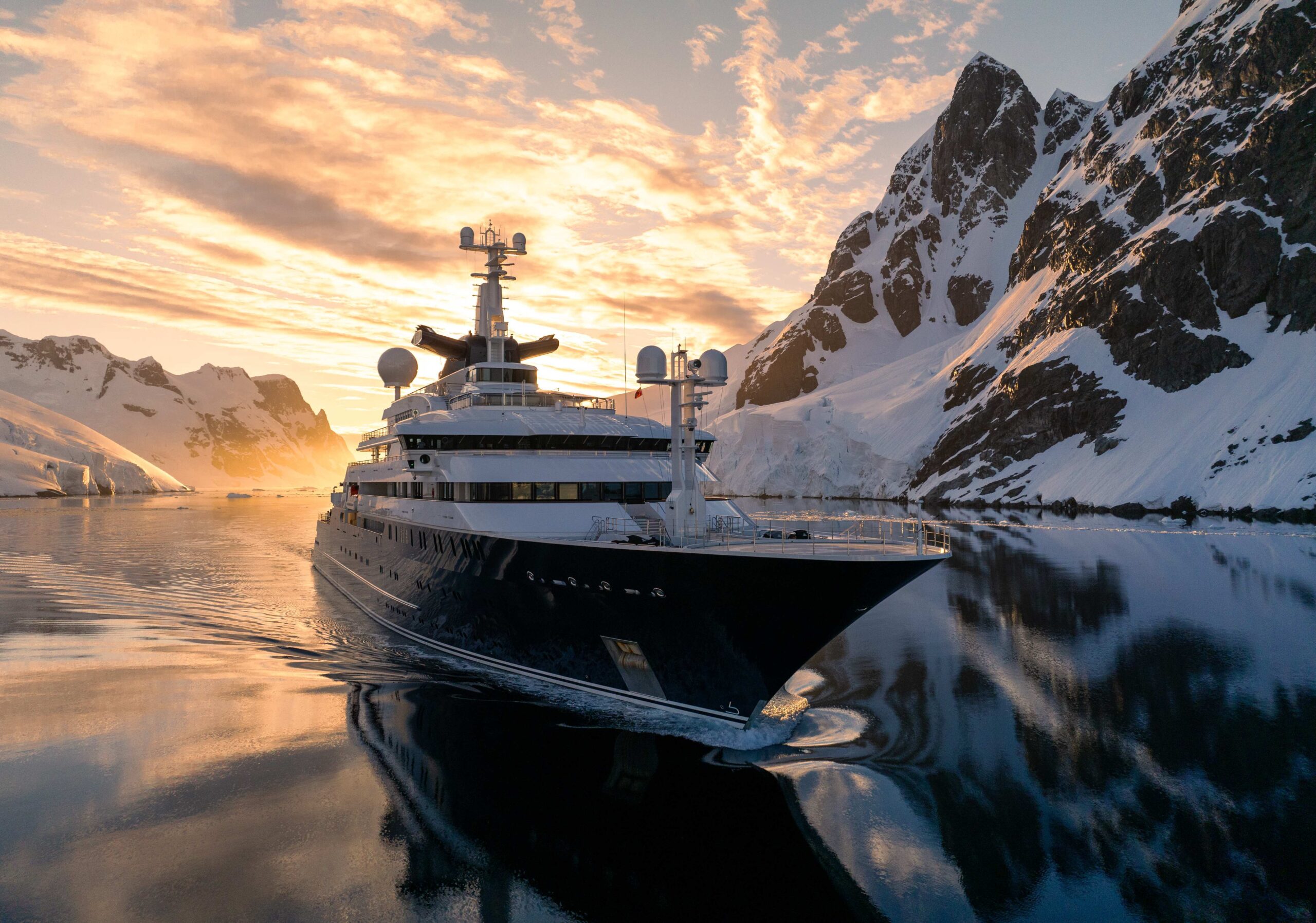
For underwater exploration, OCTOPUS offers an extensive range of capabilities. The 126-meter yacht carries a dedicated dive center, a remotely operated vehicle (ROV), and a glass-bottom observation lounge, alongside numerous tenders and watersports equipment.
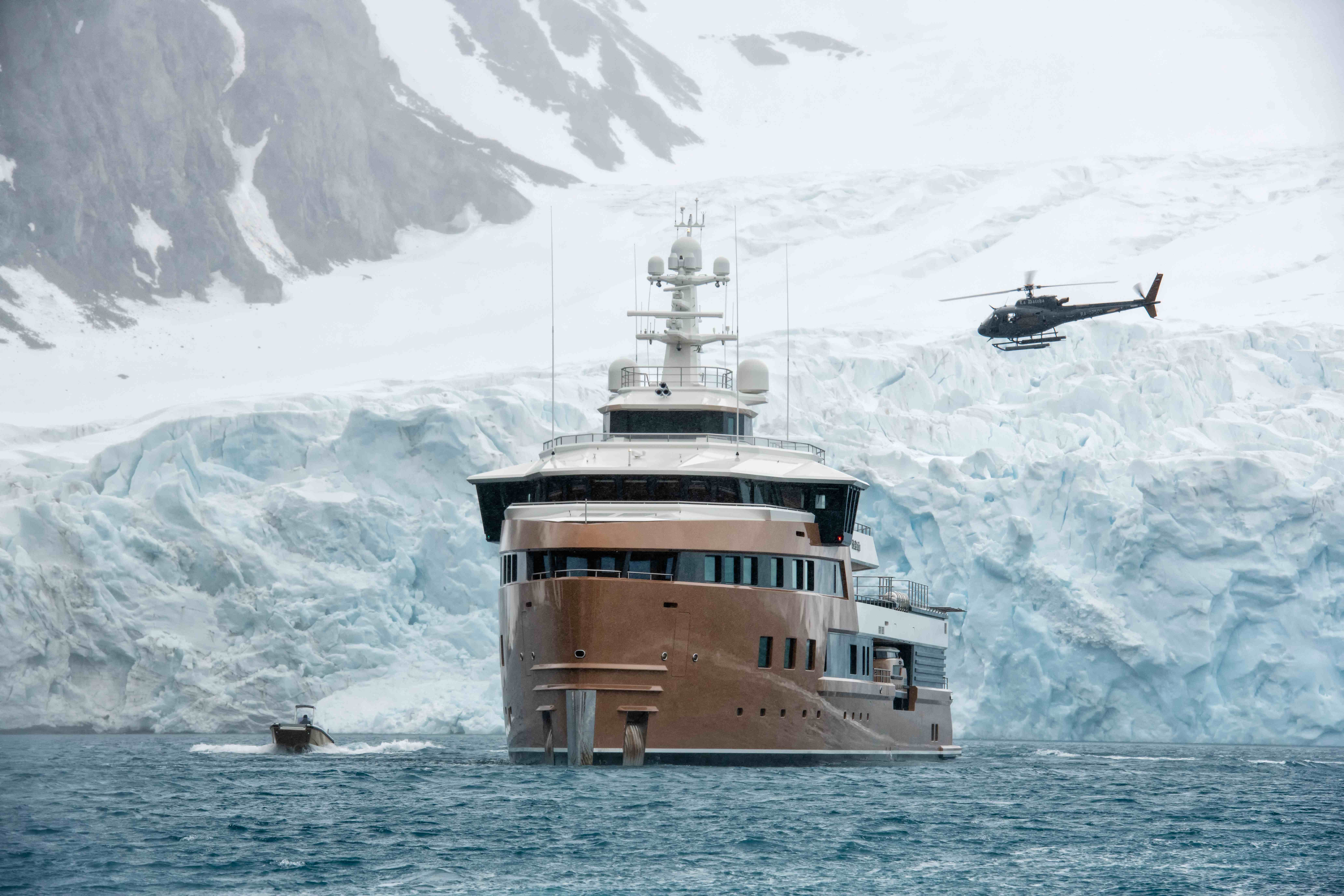
La Datcha combines polar capability with aerial and underwater exploration. Her Triton submersible can descend to 500 meters, while two helicopters and an enclosed hangar support access to remote terrain. A dedicated dive center, including a decompression chamber, further expands her capabilities.
Not every expedition requires this level of equipment. A yacht exploring Indonesia may prioritize diving, snorkeling, and island access, while one operating in the Arctic may place greater emphasis on ice navigation and cold-weather operations. The important question is whether the vessel’s capabilities match the experience being planned.
-
A Platform for the Unexpected
One of the defining characteristics of an expedition is that the plan can change. Weather shifts, sea ice moves, and wildlife appears in unexpected places. In remote environments, these variables are part of the experience.
An expedition yacht gives the team options for responding. Its operating range, maneuverability, equipment, and ability to reposition all influence what is possible on a given day.
In polar regions, design features such as La Datcha‘s observation areas and bridge wings support visibility and observation during ice navigation. In tropical destinations, flexibility takes a different form.
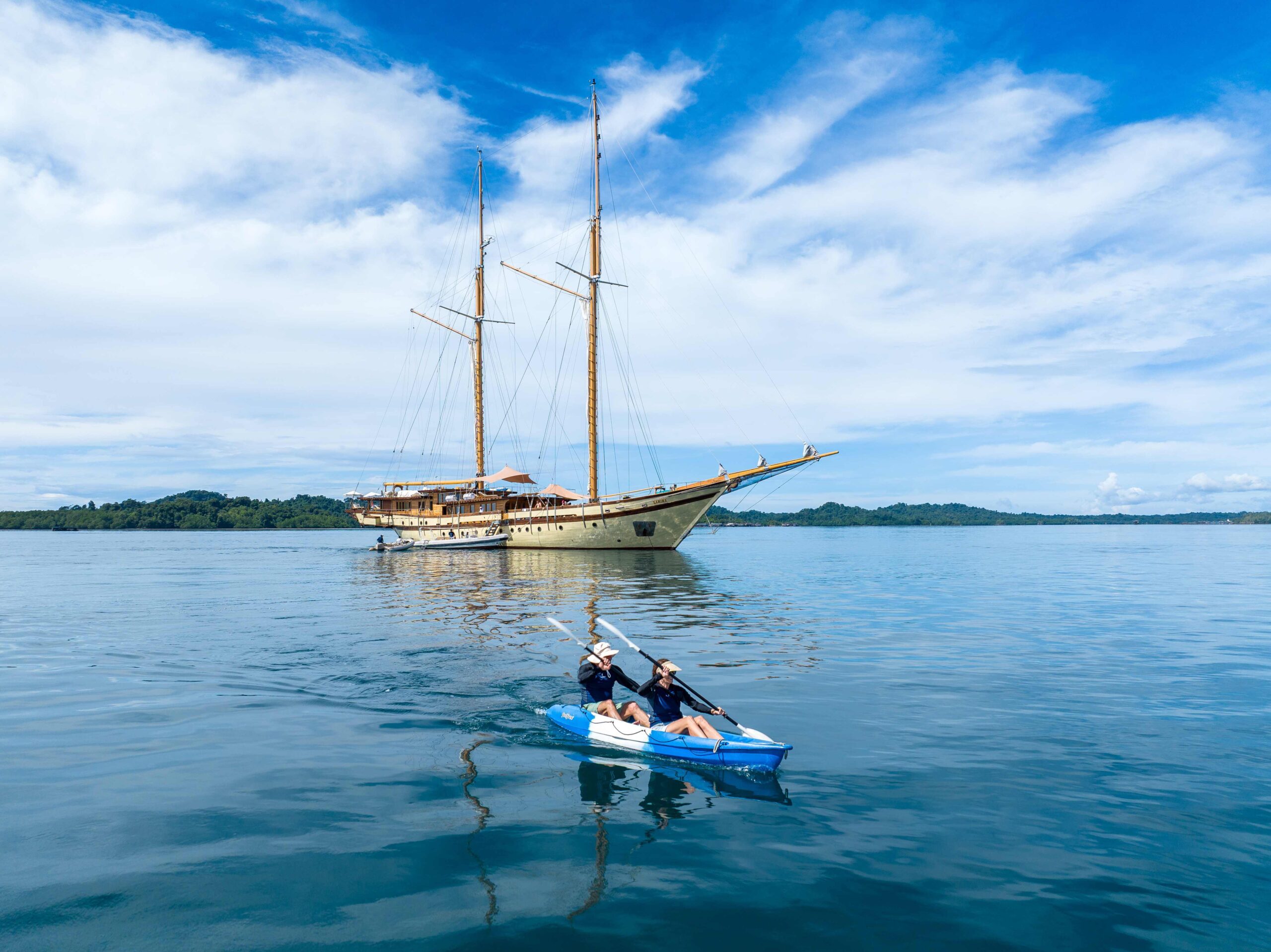
Lamima, a 65.2-meter traditional Indonesian phinisi, provides a platform for exploring Southeast Asia’s islands and reefs. Built by local boatbuilders on Sulawesi using traditional methods, she combines Indonesian boatbuilding heritage with modern charter amenities and extensive diving and watersports equipment.
The opportunities differ, but the principle remains the same. An expedition is not simply a fixed route between destinations. It is shaped by the environment, the yacht’s capabilities, and the experience of the team on board.
-
The People Make the Difference

A capable yacht is only part of the equation. The people operating it, and the expertise they bring to a destination, are equally important.
Captains and crew manage the vessel’s safe operation and navigation. Expedition Leaders coordinate activities, assess conditions, and work with the captain to determine what is possible. Naturalists, scientists, and dive guides help guests understand the places they visit, from the behavior of wildlife to the ecology of remote reefs.
Knowing where to go is one thing. Understanding when to go, how to approach a location, and what to look for can fundamentally change the experience.
EYOS brings together vessel knowledge, expedition planning, and experience operating in remote environments. Matching the yacht to the destination and the guests’ interests creates a plan that can adapt as conditions evolve.
-
Different Yachts, Different Possibilities
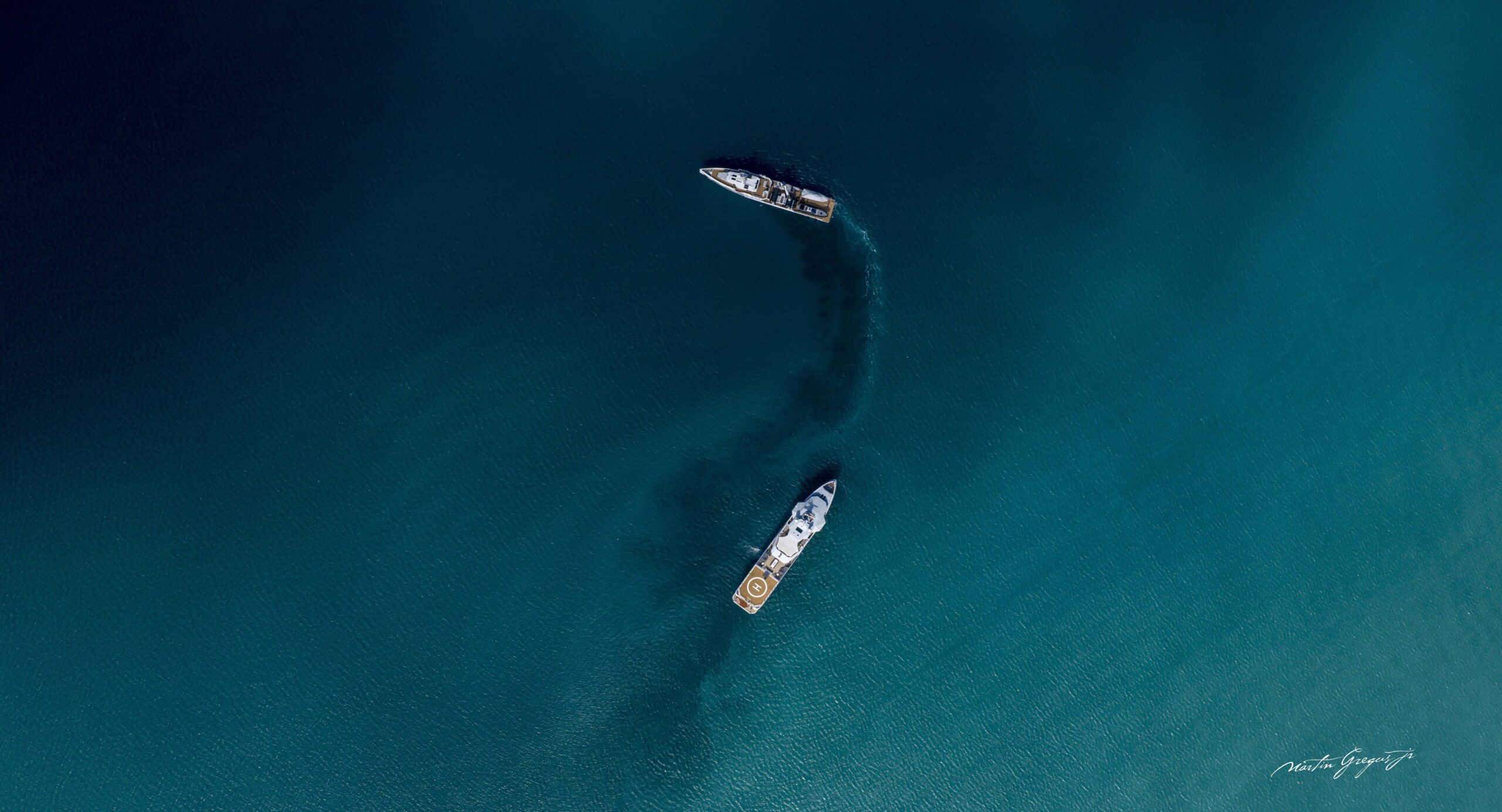
There is no single blueprint for an expedition yacht. The vessels EYOS works with illustrate how different designs and equipment support different kinds of exploration. The yachts below offer just a snapshot of the diverse expedition vessels EYOS works with regularly, each selected to match the demands of a particular destination and style of exploration.
An ice-classed hull, retractable stabilizers, Zodiac landing craft, and dedicated dive facilities make Hanse Explorer a versatile platform for polar expeditions and remote tropical destinations. Her capabilities support exploration of isolated coastlines and challenging waters.
Solace combines expedition capability with a design suited to exploring remote coastlines and accessing destinations beyond conventional cruising routes. Her shallow draft and expedition equipment support journeys through regions such as Norway, the Arctic, and the Caribbean, with opportunities to explore ashore and on the water.
Built in the traditional Indonesian phinisi style, Lamima combines local boatbuilding heritage with modern charter amenities. Her diving and watersports equipment makes her a natural platform for exploring Indonesia’s reefs, islands, and remote anchorages.
La Datcha combines polar capability with two helicopters, an enclosed hangar, and a Triton submersible rated to 500 meters. Her equipment supports expeditions that combine time on the water with activities ashore, including heli-skiing and specialized diving.
At 126 meters, OCTOPUS combines ice-class capability with two helipads, multiple tenders, a dedicated dive center, and an ROV. Her equipment supports expeditions spanning aerial access, underwater exploration, and remote coastal environments.
These yachts aren’t interchangeable, and that’s precisely the point. Each has a distinct operational profile and set of strengths. A journey focused on Antarctic wildlife requires different capabilities from one built around diving in Indonesia or heli-skiing in Iceland. The yacht should be selected around the experience, rather than asking the experience to fit the yacht.
For EYOS, the starting point is always the expedition itself. By understanding the destination, planned activities, and experience guests hope to have, the team can identify the vessel best suited to bring it to life. Interested in planning an expedition? Explore the EYOS yacht charter fleet or contact [email protected] to discuss your next journey.