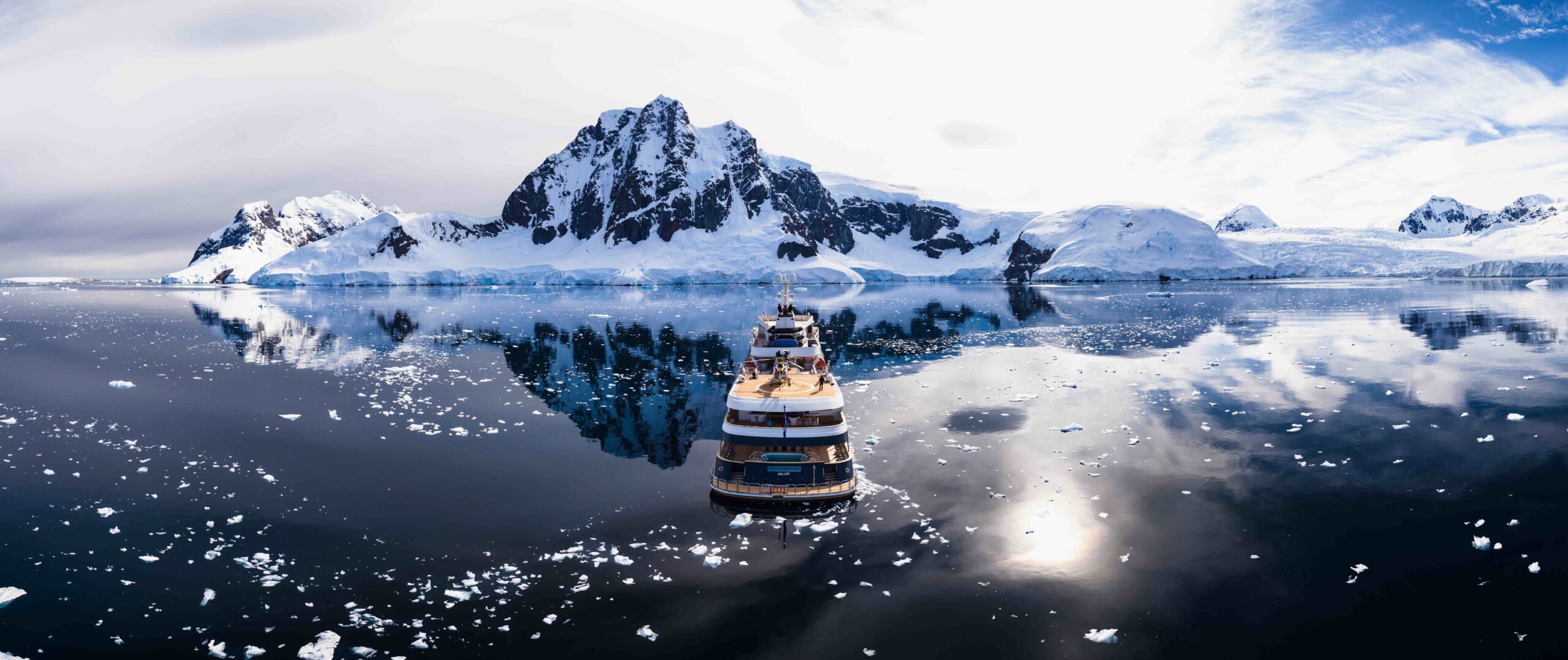
At the southernmost reaches of South America, the Andes descend into a labyrinth of fjords, glaciers, and islands before giving way to the open waters of the Southern Ocean. Beyond lies Antarctica, a continent of immense ice shelves, towering mountains, and some of the planet’s most extraordinary wildlife. Though separated by the Drake Passage, Patagonia and Antarctica share a remarkable connection, both geographically and in the spirit of exploration they inspire.
For travelers drawn to the world’s southern wilderness, these two destinations offer distinctly different yet complementary experiences. From the forested fjords of Patagonia to the icebound shores of Antarctica, the possibilities for exploration are extraordinary. With the expertise of EYOS Expeditions, both regions offer opportunities to venture beyond established routes and discover some of the most remote landscapes on Earth.
-
Two Worlds, One Extraordinary Region
For generations of explorers, Patagonia has served as a gateway to Antarctica. At the southern tip of South America, the region’s intricate coastline forms a maze of fjords, islands, and channels that have long been navigated by vessels bound for the White Continent. From here, the Drake Passage separates the southernmost reaches of the Andes from the Antarctic Peninsula, where snow-covered peaks, immense glaciers, and sculptural icebergs rise from the sea.
Both regions are defined by their wildness. Weather can change in an instant, glaciers carve their way toward the ocean, and wildlife thrives in environments that remain largely beyond the reach of human development. Yet each offers a distinctly different experience.
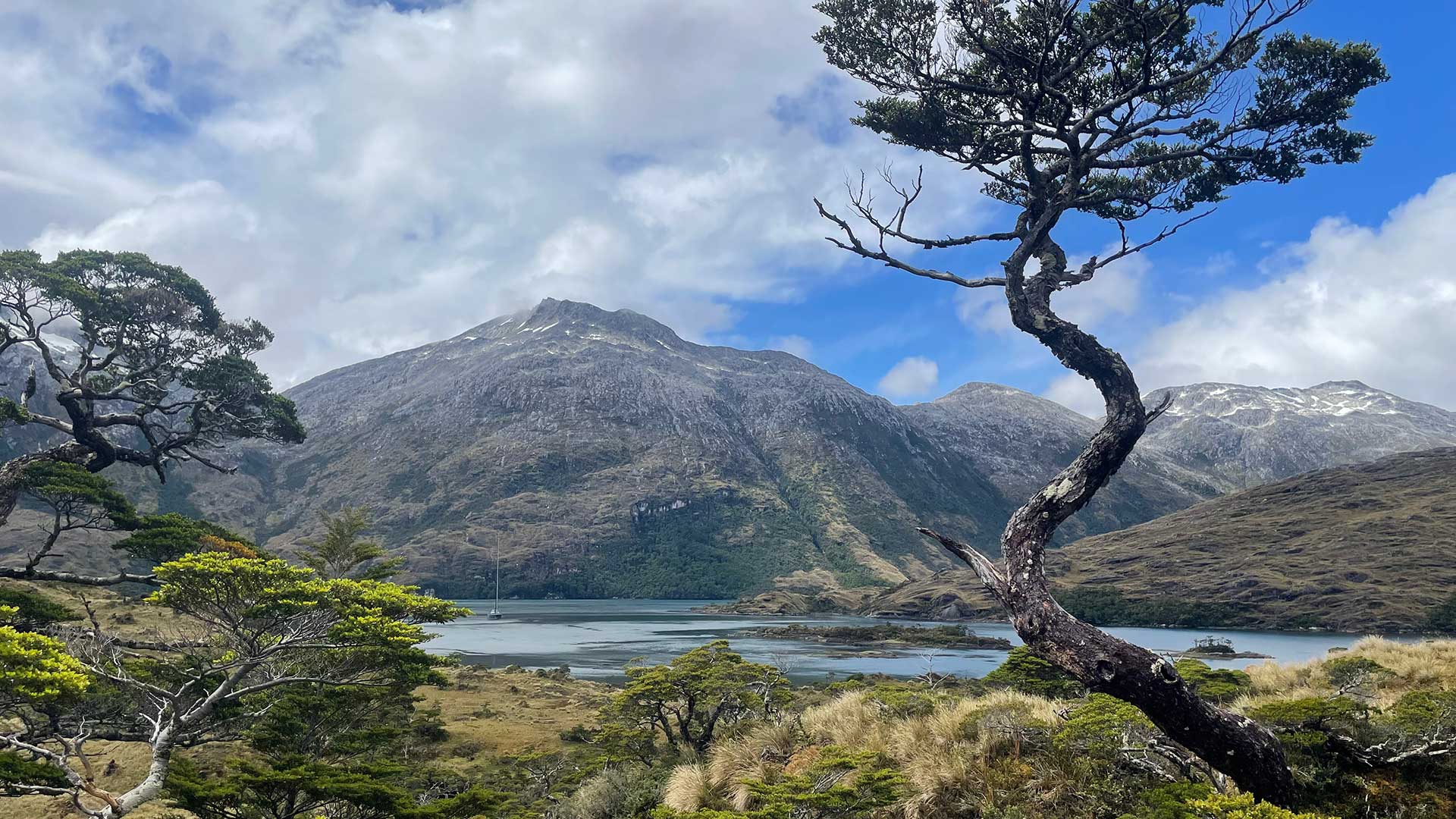
In Patagonia, temperate rainforests cling to steep mountainsides, waterfalls tumble into sheltered fjords, and the green slopes of the Andes contrast with the brilliant blue of glacial ice. Antarctica, by comparison, presents a world of striking whites and blues, where immense icebergs drift through narrow channels and penguin colonies gather along rocky shores.
For travelers venturing to the far south, Patagonia is more than a departure point. It is an extraordinary destination in its own right, one that offers a natural complement to the frozen landscapes beyond the Drake Passage. Together, these contrasting environments reveal the remarkable diversity of the planet’s southernmost regions.
-
Exploring the Fjords of Patagonia
For expedition yachts, the Chilean fjords offer one of the world’s great cruising grounds. Stretching along a vast and fragmented coastline, this network of channels provides access to remote glaciers, seldom-visited anchorages, and wilderness areas that are difficult to reach by any other means.
An expedition might explore the waterways surrounding Punta Arenas or Puerto Natales, venturing into the fjords of southern Chile. Here, guests can travel beneath towering granite cliffs, cruise past tidewater glaciers, and venture ashore to experience the region’s rugged landscapes on foot.
The possibilities are as varied as the coastline itself. Zodiac cruising can bring guests close to the faces of immense glaciers, while kayaking offers a quieter perspective among floating ice and sheltered coves. On land, guided hikes reveal forests of southern beech, windswept valleys, and panoramic views across the Patagonian Andes.
Wildlife encounters add another dimension to the experience. Humpback whales feed in the nutrient-rich waters of the region, while dolphins, sea lions, and seabirds are frequently encountered along the coast. In certain areas, guests may also have opportunities to observe colonies of Magellanic penguins.
Unlike more conventional cruising destinations, Patagonia rewards those willing to venture beyond established routes. With an experienced expedition team, plans can respond to changing conditions, taking advantage of unexpected wildlife sightings, favorable weather, or opportunities to explore a particularly spectacular stretch of coastline.
-
Further South: The Antarctic Peninsula
Beyond the southern tip of South America lies the Drake Passage, the legendary stretch of ocean separating Cape Horn from the Antarctic Peninsula. For generations of explorers, these waters have represented the gateway to Antarctica, a place whose remoteness continues to inspire a powerful sense of discovery.
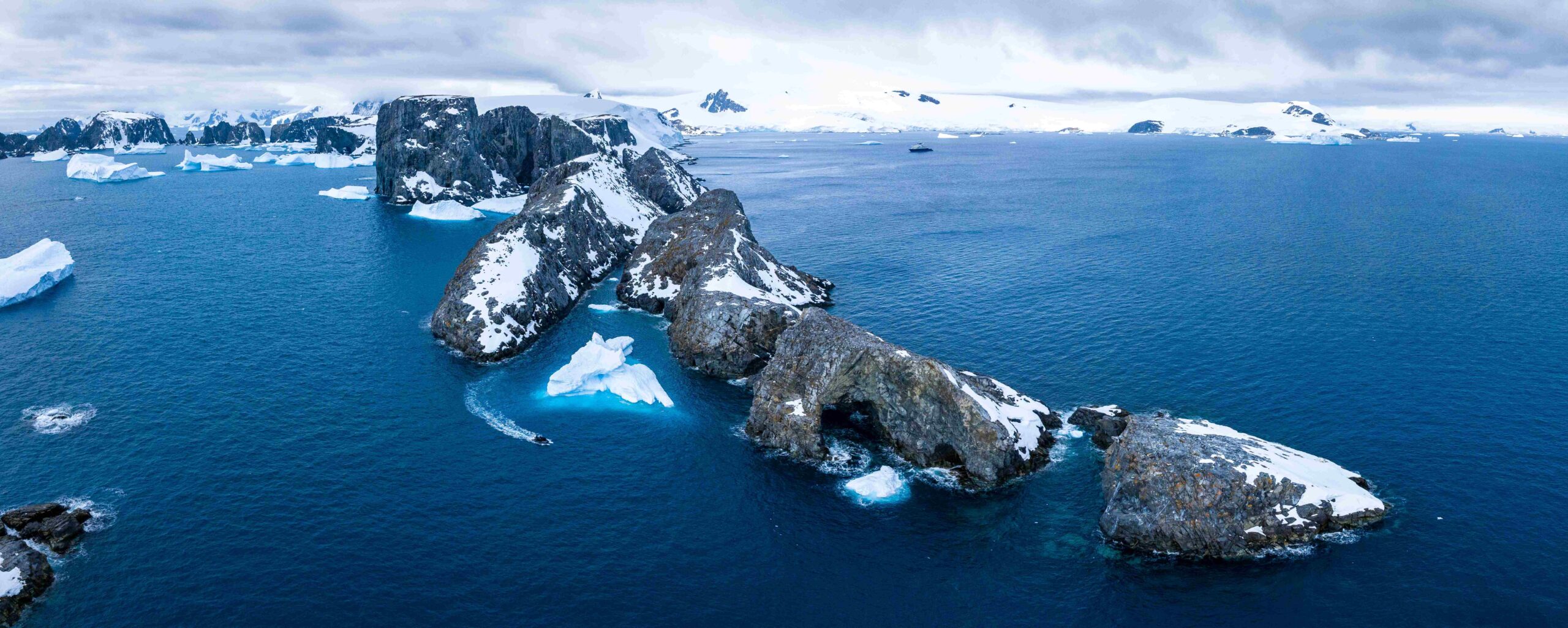
Here, the scale of the landscape shifts dramatically. Mountains rise directly from the sea, vast glaciers descend toward the water, and the surrounding ocean becomes a shifting mosaic of ice.
The Antarctic Peninsula and its surrounding islands offer extraordinary opportunities for exploration. Cruise among towering icebergs by Zodiac, walk ashore to observe bustling penguin colonies, or watch humpback whales feeding in the nutrient-rich waters of the Southern Ocean.
Depending on the season, conditions, and itinerary, excursions may include kayaking through sheltered bays, hiking to elevated viewpoints, or simply spending time immersed in the remarkable silence of the Antarctic landscape.
No two days are alike. Sea ice, weather, and wildlife activity constantly shape the possibilities, making flexibility one of the most valuable elements of an Antarctic expedition.

-
Following Wildlife Across the Southern Ocean
One of the most compelling connections between Patagonia and Antarctica is the remarkable marine life found throughout the far south. The cold, productive waters surrounding both destinations support an extraordinary variety of wildlife, from whales and seals to penguins, albatrosses, and other seabirds.
Exploring both destinations offers a broader perspective on the ecosystems of the Southern Hemisphere, revealing how wildlife has adapted to two dramatically different environments.
With experienced naturalists and expedition leaders, each encounter becomes an opportunity to learn more about the behavior, habitats, and conservation challenges facing these extraordinary animals.
-
The Freedom to Explore Further
The appeal of Patagonia and Antarctica extends beyond their remarkable landscapes. Both are destinations that reward flexibility, local knowledge, and a willingness to venture beyond the familiar.
Traveling by private expedition yacht opens possibilities that conventional itineraries rarely offer. Rather than following a rigid schedule, an EYOS-led expedition can be shaped around the interests of the guests, the capabilities of the vessel, and the opportunities presented by the environment.
In Patagonia, this might mean spending an extra afternoon exploring a remote fjord or adjusting course to investigate a rarely visited glacier. In Antarctica, it could mean extending time with a group of feeding whales, seeking out a sheltered anchorage, or taking advantage of favorable conditions to explore a less-traveled stretch of coastline.
Whether drawn to the wild coastlines of Patagonia, the frozen landscapes of Antarctica, or the possibility of experiencing both, the far south offers an extraordinary canvas for exploration. With decades of experience operating in these remote regions, EYOS Expeditions can help turn an ambitious idea into a journey tailored to your interests. Contact our team to begin planning your own expedition into the southern wilderness.